
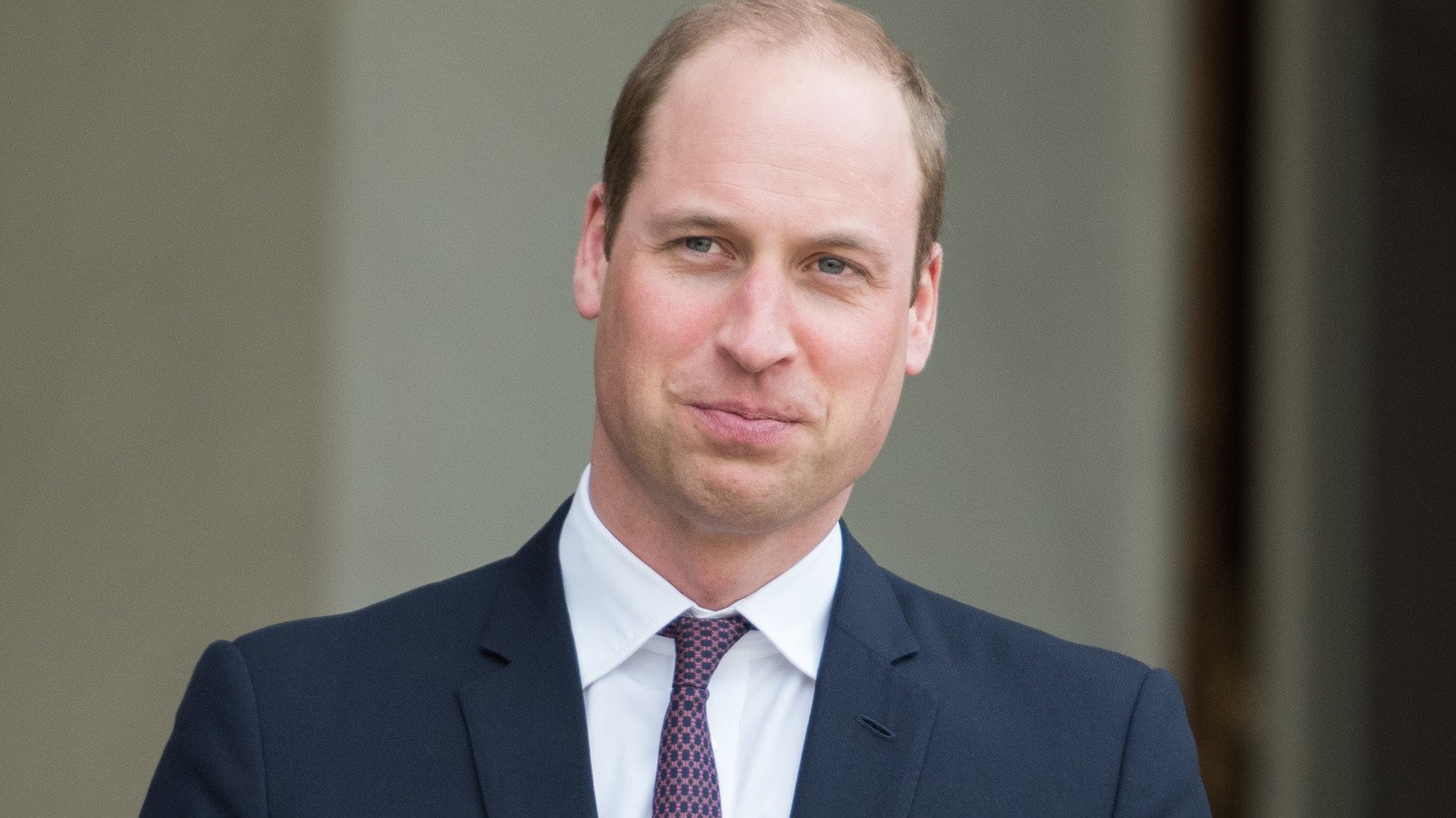
In September 2022, Queen Elizabeth II’s death set in motion a meticulously planned succession. If Prince William were to die, a similar protocol would unfold, with his eldest son, Prince George, ascending the throne. The transition would be swift, governed by centuries of tradition and modern contingency planning.
How the Nation Would React to the Loss of the Prince of Wales
The death of Prince William would trigger an official period of national mourning, likely lasting 10 to 12 days. Flags across government buildings would be lowered to half-mast, and major public events would be canceled or postponed. The BBC and other broadcasters would suspend regular programming for solemn coverage. A state funeral would be held, with William’s body lying in state at Westminster Hall for several days, allowing the public to pay respects. The scale of mourning would mirror that of Queen Elizabeth II, reflecting William’s status as a future king and his popularity. Public records covering this story are gathered in Prince Harry Would Have an Unexpected Royal Title If William Dies …
How the Commonwealth and Global Audience Would Be Affected
As head of the Commonwealth, William’s death would resonate across 56 member nations. Many Commonwealth realms, including Canada, Australia, and New Zealand, would hold their own memorial services. In the UK, the Accession Council would convene within 24 hours to formally proclaim Prince George as king. The new monarch would be styled King George VII, continuing a royal naming tradition. The transition would be seamless, as the line of succession is clearly defined by the 1701 Act of Settlement and subsequent laws. Prince George, as of 2025, is the second in line, followed by Princess Charlotte and Prince Louis.
What Is Confirmed About the Succession and What Remains Unclear
The Accession Council would meet to issue a formal proclamation, typically within 24 hours. Queen Camilla would remain Queen Consort unless she predeceases William, as she is the wife of King Charles III. William’s wife, Catherine, would become Queen Consort, a title traditionally granted to the spouse of a monarch. What remains less certain is the exact timing of the funeral and the duration of the mourning period, which would be decided by the royal household in consultation with the government. Additionally, if George were still a minor (under 18), a regency would be established, with Prince Harry or another senior royal serving as regent until George comes of age.
Common Misconceptions About Royal Succession After William’s Death
One common misconception is that Queen Camilla would automatically lose her title. In fact, she would remain Queen Consort, as her status is tied to her marriage to King Charles III, not to William. Another myth is that Prince Harry would be passed over in the line of succession. Harry remains fifth in line, after William’s children, and his position would not change. Some also believe that the monarch must be anointed in a coronation before assuming power. In reality, the new king or queen becomes sovereign immediately upon the predecessor’s death; the coronation is a ceremonial event that occurs months later. Finally, there is a misconception that the funeral would be a private family affair. As a state funeral, it would be a public event with global dignitaries attending.
| Event | Timeline | Details |
|---|---|---|
| Accession Council | Within 24 hours | Proclaims George as king |
| Lying-in-state | 3-4 days | At Westminster Hall |
| State funeral | Day 10-12 | National day of mourning |
| Coronation | Months later | Ceremonial event |
Frequently Asked Questions
What is the line of succession after Prince William?
After Prince William, the line of succession follows his children: Prince George, Princess Charlotte, and Prince Louis. Then comes Prince Harry, the Duke of Sussex, followed by his children Archie and Lilibet. The order is determined by the 1701 Act of Settlement and the Succession to the Crown Act 2013.
Where would Prince William’s funeral take place?
Prince William’s funeral would likely be held at Westminster Abbey, following tradition for senior royals. A lying-in-state would occur at Westminster Hall, where the public could pay respects. The service would be a state funeral, with burial at St George’s Chapel in Windsor Castle, alongside other royals.
Who is Prince William’s wife and what title would she hold after his death?
Prince William’s wife is Catherine, Princess of Wales. Upon William’s death, she would become Queen Consort, as is customary for the spouse of a monarch. She would be known as Queen Catherine, and she would continue to carry out royal duties and support her son, King George VII.
How does the succession process differ if Prince George is still a minor?
If Prince George is under 18 when William dies, a regency would be established. The regent would be the next eligible adult in the line of succession, likely Prince Harry, until George turns 18. The regent would exercise royal powers on George’s behalf, but George would remain the sovereign.
Is it true that Prince Harry would become regent if William dies before George turns 18?
According to the Regency Act 1937, if the monarch is under 18, the next eligible adult in the line of succession becomes regent. As of 2025, that would be Prince Harry, unless he is disqualified by living abroad or other circumstances. This scenario has been discussed by royal experts.