
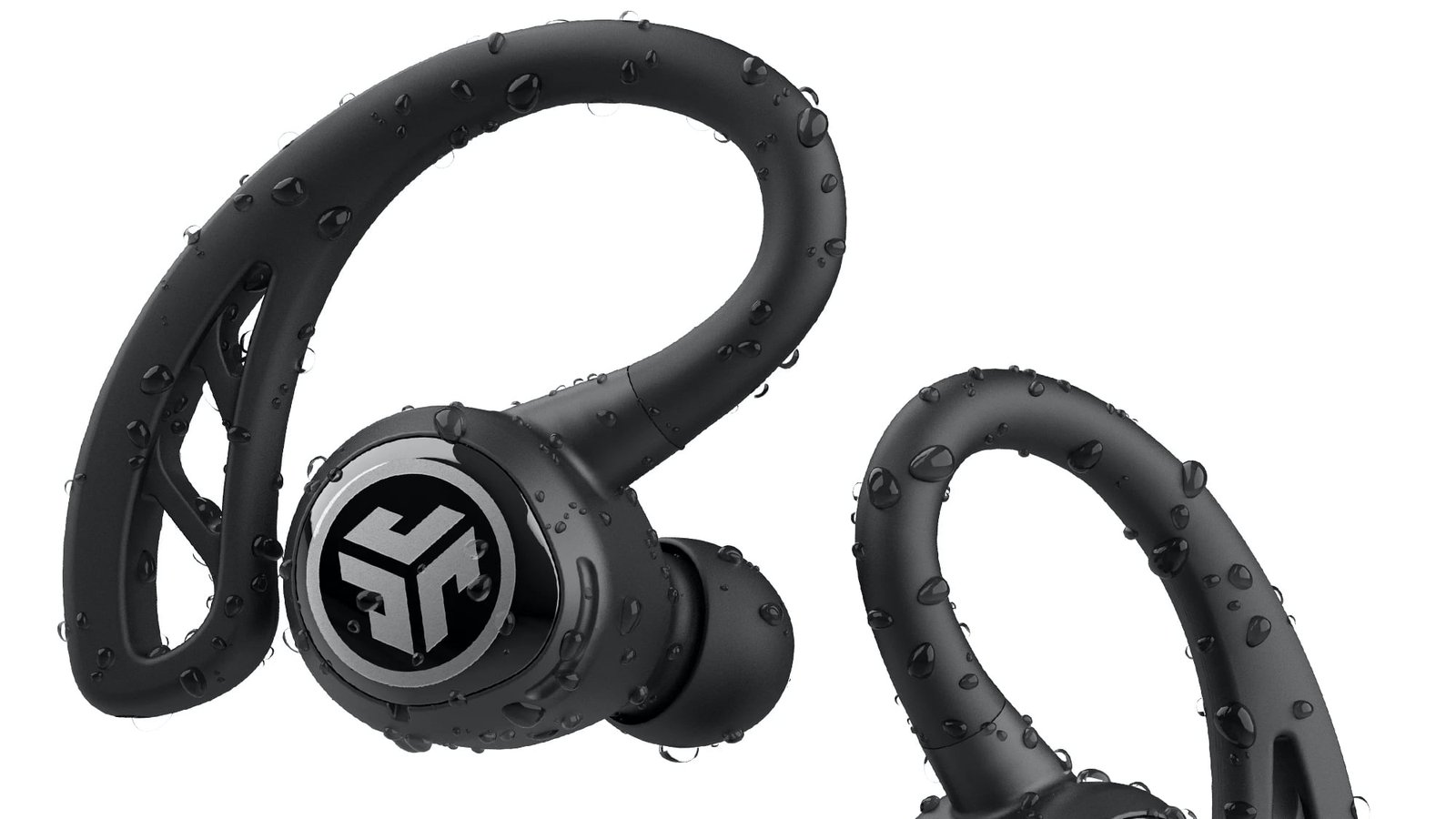
In 2015, the Jaybird X2 launched with an IPX5 rating, marking the first major water-resistant sports earbuds. Since then, the market has expanded with models like the Powerbeats Pro (IPX4) and Sony WF-SP800N (IPX5). Understanding IP ratings helps you choose earbuds that withstand sweat and rain, extending their lifespan.
What the Latest Water Resistant Sports Earbuds Offer in 2024
Recent releases like the Beats Fit Pro (2021) feature IPX4 and secure wingtips for gym use. The Jabra Elite 7 Active (2021) goes further with IP57, resisting dust and submersion up to 1 meter. In 2023, IP55-rated earbuds became more common, offering protection against both dust and low-pressure water jets. These developments mean buyers now have more options for intense workouts and outdoor activities. amazon.com/Waterproof-Earbuds/s?k=Waterproof+Earbuds” rel=”noopener noreferrer” target=”_blank”>Amazon.com: Waterproof Earbuds
Comparing IPX4, IPX5, IPX7, and IP57 Ratings
IPX4 resists splashing water, making it suitable for light sweat and rain. IPX5 withstands low-pressure water jets, ideal for heavy sweating. IPX7 allows submersion up to 1 meter for 30 minutes, while IP57 adds dust resistance. The table below summarizes key differences.
| Rating | Protection Level | Example Model |
|---|---|---|
| IPX4 | Splashing water | Powerbeats Pro |
| IPX5 | Low-pressure water jets | Sony WF-SP800N |
| IPX7 | Submersion up to 1m | Jabra Elite 7 Active |
| IP57 | Dust + submersion | Jabra Elite 7 Active |
What Is Confirmed and What Remains Unverified About Water Resistance Claims
Manufacturers often use hydrophobic nano-coatings to repel moisture from internal components. Charging ports on many models have sealed covers, but users report that these can wear out over time. Always check the official IP rating and avoid exposing earbuds beyond their specified limits.
How the Jaybird X2, Powerbeats Pro, and Sony WF-SP800N Shaped the Market
The Jaybird X2 (2015) set a precedent with IPX5, proving that sports earbuds could resist sweat. Apple’s Powerbeats Pro (2019) popularized IPX4 with a secure fit for gym-goers. Sony’s WF-SP800N (2020) combined IPX5 with active noise cancellation, appealing to runners who want immersion. These models influenced later designs, such as the Beats Fit Pro and Jabra Elite 7 Active, which added wingtips and higher IP ratings. The evolution shows a clear trend toward greater water and dust protection.
Frequently Asked Questions
Who makes the most water resistant sports earbuds?
Jabra produces the Elite 7 Active with an IP57 rating, offering both dust and water resistance up to 1 meter. Other brands like Sony and Beats offer IPX5 and IPX4 respectively, which are sufficient for most workouts.
What is the best water resistant sports earbuds for running?
The Beats Fit Pro (IPX4) and Sony WF-SP800N (IPX5) are popular choices. The Beats Fit Pro has secure wingtips, while the Sony offers noise cancellation. Both resist sweat and rain effectively.
Is IPX4 enough for gym workouts?
Yes, IPX4 resists splashing water and sweat, making it suitable for most gym activities. However, for heavy sweating or outdoor rain, IPX5 or higher provides better protection.
How does IPX5 differ from IPX7?
IPX5 withstands low-pressure water jets, while IPX7 allows submersion in up to 1 meter of water for 30 minutes. IPX7 is better for accidental drops in water, but both are good for sports.
What does IP57 mean on sports earbuds?
IP57 means the earbuds are dust-resistant (first digit 5) and can be submerged up to 1 meter (second digit 7). This rating offers comprehensive protection for outdoor and intense workouts.
Key Features to Look for Beyond Water Resistance
While water resistance is crucial, other features matter for sports earbuds. Secure fit prevents them from falling out during intense movement. Many models include ear fins or wingtips for stability. Battery life is another factor — most sports earbuds offer 5 to 9 hours of playback, with charging cases extending that to 24 hours or more. Sound quality should not be overlooked, as bass response can enhance workout motivation. Some earbuds also feature ambient sound modes for outdoor safety.
How to Maintain Water Resistant Sports Earbuds for Longevity
Proper care extends the life of your earbuds. After each workout, wipe them with a dry cloth to remove sweat and moisture. Avoid charging them while wet, as this can damage the ports. Store them in a cool, dry place. If the earbuds have removable ear tips, clean them periodically with mild soap and water. Replace worn-out ear tips to maintain a good seal and water resistance. Following these steps helps preserve the IP rating over time.
Why Battery Life and Charging Case Matter for Active Users
Long battery life reduces the need for frequent recharging, which is especially important for long runs or multi-day trips. Many water resistant sports earbuds now offer quick charge features — a 10-minute charge can provide an hour of playback. The charging case itself should be durable and, ideally, also water resistant. Some cases have IPX4 ratings, protecting them from splashes. Wireless charging is becoming common, adding convenience for users who already use a wireless charger for their phone.
How to Choose Between True Wireless and Neckband Designs
True wireless earbuds offer maximum freedom of movement, with no cable connecting the two buds. Neckband designs, like the Beats Powerbeats Pro, have a flexible band that rests on the neck, providing longer battery life and a more secure feel for some users. Neckbands are less likely to be lost, as the two earbuds are tethered. However, true wireless models are more compact and easier to store. Your choice depends on personal preference for fit and convenience.