
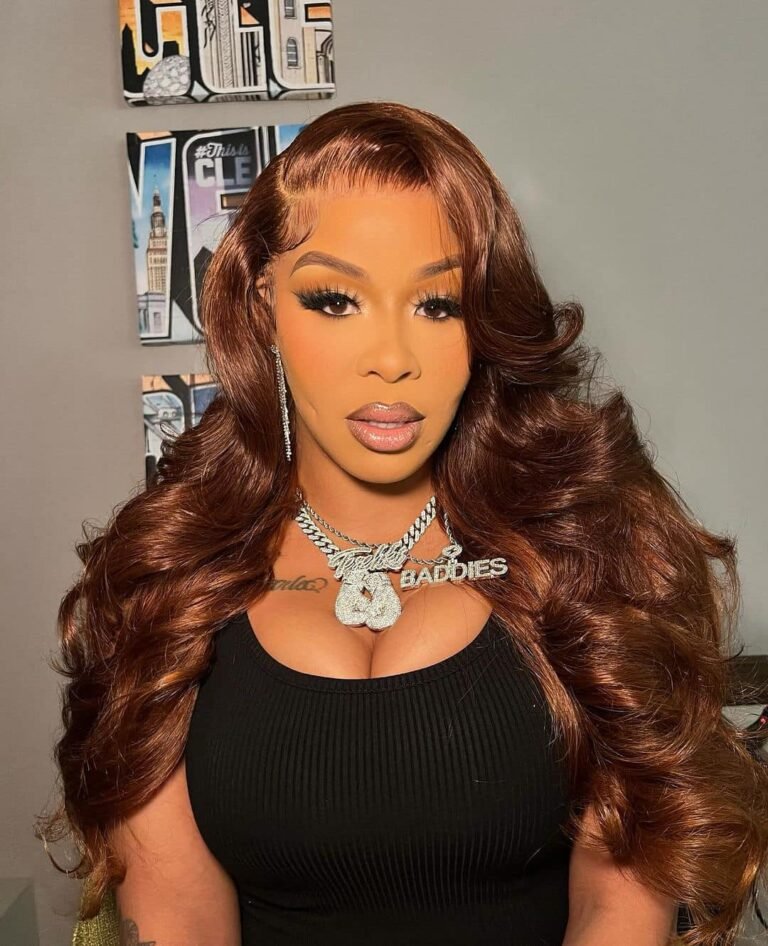
The term tesehki age describes a contemporary generational cohort defined by rapid technological adoption and shifting social values. It reflects how digital immersion shapes identity, behavior, and communication among younger populations. On a related note, Hunxho Age: What We Know About the Rising Rapper adds useful context
Origins of the Tesehki Age Concept
The phrase “tesehki age” emerged in online communities around 2018, gaining traction through social media platforms and youth-driven forums. It was first used to describe individuals born between the mid-1990s and early 2010s who came of age during the smartphone revolution. Public records covering this story are gathered in Baddies season 4
Unlike previous generational labels, tesehki age is not tied strictly to birth years but to shared experiences with digital tools and global connectivity. The term blends linguistic elements from internet slang and cultural commentary, reflecting its grassroots origin.
Early usage appeared in niche online spaces, particularly among content creators discussing identity and belonging in virtual environments. Over time, it spread to broader discussions about education, mental health, and workplace dynamics. Public records covering this story are gathered in Tesehki – Age, Bio, Height, Weight, Net Worth
Defining Characteristics of the Tesehki Age
Individuals associated with the tesehki age are often characterized by their fluency in digital communication and preference for visual, fast-paced media. They tend to value authenticity, inclusivity, and social justice, often engaging in activism through online platforms.
This group is known for redefining traditional milestones, such as career paths and relationships, often prioritizing flexibility and personal fulfillment over conventional success metrics. Many pursue non-linear careers, including content creation, freelancing, and remote work.
Another hallmark is their approach to information consumption. Rather than relying on established institutions, they often turn to peer networks, influencers, and decentralized sources for news and advice. This has led to both innovation and challenges in media literacy.
The tesehki age also shows a strong inclination toward mental health awareness. Open discussions about anxiety, depression, and emotional well-being are more common, reducing stigma and encouraging support-seeking behaviors.
How the Tesehki Age Differs from Previous Generations
Compared to Millennials and Generation Z, the tesehki age places greater emphasis on digital-native identity and fluid social structures. While earlier generations adapted to technology, this cohort was born into a world where digital interaction is the default.
They are more likely to question traditional authority and institutional trust, favoring community-based validation and peer-driven knowledge. This shift has influenced everything from education models to political engagement.
Additionally, the tesehki age exhibits a heightened awareness of global issues, from climate change to digital privacy. Their worldview is shaped by constant exposure to international events and diverse perspectives through social media.
Unlike previous generations, they often reject rigid labels and embrace hybrid identities, blending cultural, gender, and professional roles in ways that challenge conventional norms.
What Is Confirmed and What Remains Unverified
However, there is no formal academic consensus on its definition or boundaries. Researchers continue to study whether it represents a distinct generational cohort or a temporary cultural phase.
Some experts argue that tesehki age is more of a behavioral and attitudinal trend than a demographic category. Others suggest it may evolve into a recognized sociological concept as more data becomes available.
What remains unclear is its long-term impact on institutions such as education, healthcare, and governance. While early signs point to transformative changes, the full scope of influence is still unfolding.
Why the Tesehki Age Matters for Society
Understanding the tesehki age helps policymakers, educators, and businesses adapt to changing expectations and communication styles. Schools are already incorporating more digital literacy and emotional intelligence into curricula.
Employers are rethinking workplace culture to accommodate values like flexibility, purpose-driven work, and mental health support. Companies that fail to adapt risk losing talent and relevance.
On a broader level, the tesehki age signals a shift toward more inclusive and decentralized forms of community and leadership. This could lead to more participatory decision-making in both public and private sectors.
As digital and physical worlds continue to merge, the traits associated with the tesehki age may become the norm rather than the exception. Preparing for this shift is essential for sustainable social progress.