
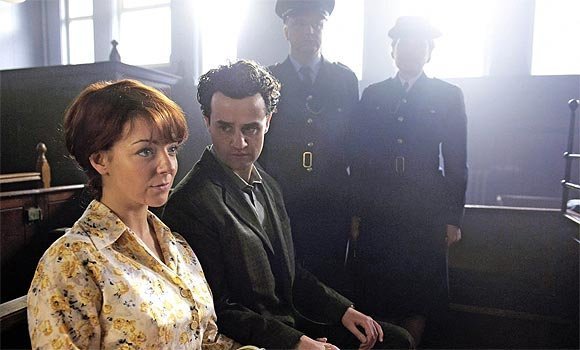
Charmian Powell is best known as the wife of Ronnie Biggs, one of the most infamous figures linked to the 1963 Great Train Robbery. Her life has often been viewed through the lens of his notoriety. For a complementary read on the same theme, see Warren Zeiders Wife: Who Is the Country Singer Married To?
Yet Powell carved out her own path, balancing public attention with personal resilience. Born in the United Kingdom, she met Biggs in the early 1960s, before his involvement in the robbery that would define his legacy. A reference profile of the subject is maintained on Ronnie Biggs
Early Life and Meeting Ronnie Biggs
Charmian Powell grew up in a modest household in England. Their relationship began quietly, away from the public eye.
At the time, Biggs was a small-time criminal with aspirations of bigger scores. Powell, described by acquaintances as reserved and pragmatic, supported him emotionally during his early legal troubles. Their bond deepened as Biggs became entangled in increasingly serious offenses. A reference profile of the subject is maintained on Who Is Charmian Powell? The Untold Story Of Ronnie Biggs' First Wife
The couple married in 1964, shortly after Biggs was released from prison for a separate burglary charge. Powell stood by him during his initial arrest related to the Great Train Robbery, maintaining his innocence in public statements. Her loyalty drew both admiration and criticism from the press.
Life After the Great Train Robbery
The 1963 Great Train Robbery shocked Britain, with £2.6 million stolen—equivalent to over £50 million today. Ronnie Biggs was identified as one of the 15 men involved. He was sentenced to 30 years in prison but escaped in 1965, fleeing first to France and then to Brazil.
Powell followed him abroad, determined to keep their family intact. She gave birth to their son, Michael, in 1966 while living in exile. The family settled in Rio de Janeiro, where they lived under assumed names to avoid extradition.
During their years in Brazil, Powell managed household affairs and shielded their children from media attention. She worked occasional jobs to support the family, though financial strain was constant. Despite the challenges, she maintained a low profile, avoiding interviews and public appearances.
Her decision to stay with Biggs during his fugitive years set her apart from other spouses of criminals, many of whom distanced themselves. Powell’s steadfastness became a defining trait, though it also subjected her to ongoing scrutiny.
Public Perception and Media Attention
Throughout the 1970s and 1980s, British tabloids frequently referenced Powell when covering Biggs’ exploits. Headlines often portrayed her as either a devoted wife or a complicit figure, rarely acknowledging her autonomy.
She rarely spoke to journalists, preferring to let actions speak for her. When she did appear in media, it was usually in photographs with Biggs or their children. These images reinforced her image as a quiet, enduring presence.
In 1981, Biggs was captured in Brazil and briefly detained, reigniting media interest in Powell. She traveled to London to advocate for his release, testifying about their family life and the impact of prolonged separation.
Though her efforts did not prevent his eventual return to prison in 1985, they highlighted her role as both caregiver and advocate. Over time, some journalists began to portray her with more nuance, recognizing her sacrifices.
Later Years and Legacy
After Ronnie Biggs’ release from prison in 2001, Powell continued to support him until his death in 2013. The couple lived quietly in London, avoiding the spotlight they once attracted.
Powell remained out of the public eye in her final years. Friends described her as private, focused on family and personal peace. She never published memoirs or granted major interviews, preserving her story on her own terms.
Her legacy is complex—shaped by association with one of Britain’s most notorious criminals, yet marked by personal strength and quiet dignity. Unlike many figures in celebrity culture, Powell chose silence over spectacle.
Today, she is remembered not just as Ronnie Biggs’ wife, but as a woman who navigated extraordinary circumstances with resilience. Her life offers a rare glimpse into the human side of fame’s shadow.
What Is Confirmed and What Remains Unverified
Public records and court documents verify her presence during key events, including his 1981 capture.
However, details about her early life, education, and personal beliefs remain largely undocumented.
Similarly, claims about her involvement in legal or financial matters lack credible evidence.
What is clear is her consistent presence in Biggs’ life during turbulent decades. Her actions—choosing exile, raising children abroad, and advocating for his release—speak louder than any unverified narrative.
Why Her Story Matters Today
Charmian Powell’s life reflects the often-overlooked experiences of those connected to famous figures. Her story challenges simplistic portrayals of loyalty, privacy, and resilience in the face of media intrusion.
In an era of instant celebrity and viral exposure, her choice to remain private stands out. It invites reflection on how society treats individuals tied to controversy—not as extensions of others, but as people with their own agency.
Her experience also underscores the long-term impact of high-profile crimes on families. Powell’s decades in exile, though voluntary, came at a personal cost that few public figures acknowledge.
Understanding her journey adds depth to the history of the Great Train Robbery and its aftermath. It reminds us that behind every headline are lives shaped by decisions, love, and endurance.