
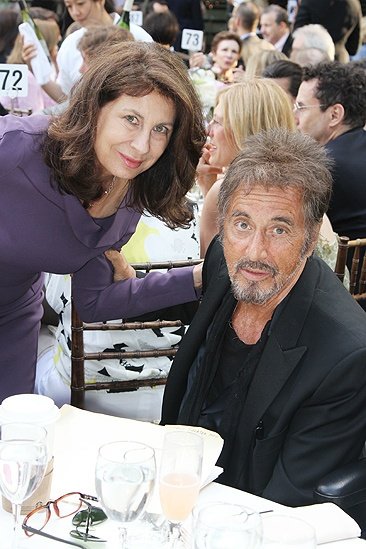
Paula Pacino is often recognized for her famous last name, but she has carved out a distinct identity separate from her more widely known relatives. Unlike her father, the acclaimed actor Al Pacino, Paula has chosen a quieter path in the public eye. On a related note, Jeremy Clarkson Net Worth and His Rise in Media and Farming adds useful context
Early Life and Family Connections
Born in New York City, Paula Pacino is the daughter of Al Pacino and actress Jan Tarrant. Her parents separated when she was young, and she was raised primarily by her mother. Despite her father’s towering presence in Hollywood, Paula grew up with limited exposure to the entertainment industry’s spotlight. Public records covering this story are gathered in Insomnia (2002 film)
Her upbringing emphasized privacy and normalcy, a deliberate choice by her mother to shield her from the pressures of celebrity life. This contrast to the typical Hollywood childhood shaped Paula’s perspective on fame and personal boundaries. She attended private schools in New York and later pursued studies in the arts, though not necessarily with the intent to enter acting.
While Al Pacino’s career flourished with iconic roles in films like The Godfather and Scarface, Paula remained largely out of the media’s gaze. Her half-siblings, including actress Julie Marie Pacino, have also navigated careers in film, but Paula has consistently avoided the limelight. This deliberate distance has sparked public curiosity about her life and choices. Public records covering this story are gathered in Paula Pacino Biography: Life, Family, and Untold Story of Al Pacino's …
Career Path and Public Appearances
Unlike many celebrity offspring who leverage their family name for media opportunities, Paula Pacino has not pursued a traditional acting career. There is no public record of her appearing in films or television shows under her own name. Instead, she has focused on behind-the-scenes work in creative fields, including production and artistic direction.
Occasional public appearances—such as attending film premieres or family events—have offered glimpses into her life, but she rarely gives interviews or engages with the press. When she does appear, it is often in support of her father or sister’s projects, maintaining a respectful and low-key presence.
Her approach reflects a broader trend among some celebrity children who value autonomy over visibility. Rather than seeking fame, Paula has prioritized personal fulfillment and creative expression outside the public domain. This stance has earned her quiet admiration from those who appreciate discretion in an era of constant media exposure.
What Is Confirmed and What Remains Unverified
However, much about her daily life, current projects, and personal relationships remains unverified. There is no credible evidence of her involvement in major film productions or public advocacy work. Speculation about her potential return to the spotlight or a future acting role persists online, but these claims lack substantiation.
Media outlets occasionally reference her in relation to Al Pacino’s legacy, but she has not contributed to any public statements or biographical accounts. This absence of direct commentary reinforces her commitment to privacy. As a result, public understanding of Paula Pacino relies heavily on context rather than firsthand information.
Why Her Story Resonates in Modern Media Culture
In an age where celebrity children often become influencers or reality TV personalities, Paula Pacino’s choice to remain private stands out. Her story highlights the diversity of paths available to those born into fame. It challenges the assumption that visibility is the only measure of success or relevance.
Her presence—or lack thereof—in the media also reflects shifting attitudes toward fame and mental well-being. By prioritizing personal boundaries, Paula exemplifies a growing movement among public figures to protect their private lives from constant scrutiny.
For audiences, her narrative offers a reminder that not all stories need to be public to be meaningful. It encourages a reevaluation of how society values privacy, especially for individuals connected to high-profile families. As digital media continues to blur the lines between public and private life, figures like Paula Pacino provide a counterpoint worth noting.
While she may never seek the spotlight, her quiet influence underscores the importance of choice in shaping one’s identity. In a culture obsessed with visibility, her restraint speaks volumes.