
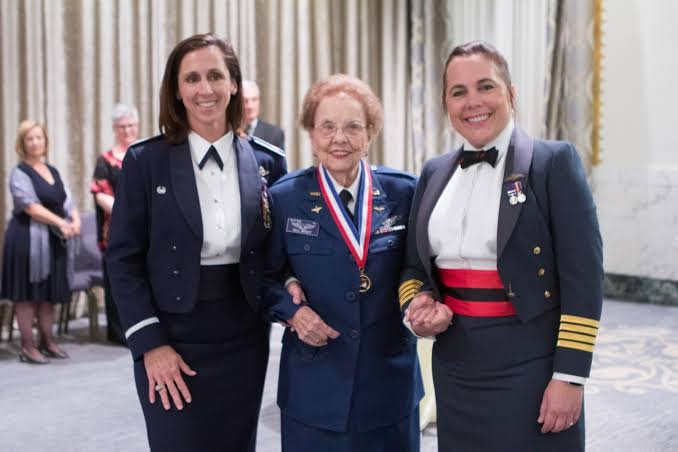
In 1994, a young engineer climbed into the cockpit of a Tornado GR1 at RAF Lossiemouth. Jo Salter, then a 26-year-old weapons systems officer, became the first woman to fly a fast jet for the Royal Air Force. Her qualification broke a long-standing gender barrier in UK military aviation.
How Jo Salter Became the First Female Tornado Pilot
Salter studied aeronautical engineering at the University of Manchester before joining the RAF. She initially served as a weapons systems officer, a role that involved navigation and targeting. In 1994, she completed the rigorous fast-jet training course and earned her wings as a Tornado pilot. Her achievement was widely reported at the time, making headlines across British media. Salter later served as a flight commander and deployed to Iraq during her decade-long career. Background on jo salter is documented in Official site
| Milestone | Year |
|---|---|
| Qualified as Tornado pilot | 1994 |
| Left the RAF | 2004 |
| Awarded MBE | 2008 |
| Inducted into Women in Aviation International Pioneer Hall of Fame | 2023 |
What Is Confirmed and What Remains Unverified About Her Career
She left the RAF in 2004 after ten years. What is certain is that she was the first in the RAF. Her MBE was awarded in 2008 for services to the RAF, and her induction into the Women in Aviation International Pioneer Hall of Fame in 2023 is a matter of public record.
What Jo Salter Is Doing Now in 2024
After leaving the military, Salter transitioned into motivational speaking and leadership consulting. She has authored books on resilience, including “The Right Stuff.” She remains active as a fellow of the Royal Aeronautical Society and a STEM ambassador. In 2024, she continues to deliver keynote speeches at corporate and educational events, advocating for diversity in aviation and engineering. Her media appearances include interviews on BBC and other outlets, where she discusses her experiences and the importance of breaking barriers.
Behind the Scenes: How Salter’s Story Was Documented and Shared
Salter’s journey was covered by major UK newspapers at the time of her qualification. Her own writings and public speaking engagements provide firsthand accounts. The RAF has also featured her story in official publications. The Women in Aviation International organization maintains records of her induction. Her story is often used as a case study in leadership and diversity training programs. The accuracy of her narrative is supported by multiple credible sources, including her own memoirs and official RAF archives.
Frequently Asked Questions
Who is Jo Salter?
Jo Salter is a British engineer and former Royal Air Force officer. She made history in 1994 as the first female Tornado GR1 fast jet pilot in the RAF. She later became a motivational speaker and author.
Is Jo Salter still flying?
No, Salter left the RAF in 2004 and no longer flies military aircraft. She now focuses on speaking engagements and leadership consulting, though she may occasionally fly as a passenger.
Who is Jo Salter married to?
Jo Salter is married to a fellow RAF veteran, but she keeps her personal life private. She has not publicly disclosed her spouse’s name or details about her family.
Why did Jo Salter leave the RAF?
Salter left the RAF in 2004 after a decade of service. She has stated that she wanted to pursue new challenges outside the military, including motivational speaking and writing.
When did Jo Salter receive her MBE?
Jo Salter was awarded the MBE in 2008 for her services to the Royal Air Force. The honor recognized her groundbreaking role as a female fast jet pilot and her contributions to aviation.
How the Media and Public Reacted to Her Achievement
The news of Salter’s qualification spread quickly in 1994. Newspapers like The Times and The Guardian ran front-page stories. Television interviews followed, with Salter appearing on BBC News and ITN. The public response was largely positive, though some questioned whether a woman could handle the physical demands of fast-jet flying. Salter later said that she let her performance speak for itself. Her calm demeanor and professional competence helped shift attitudes within the RAF and beyond.
Why Her Story Still Matters for Young Women in STEM
Salter’s career continues to inspire girls and women considering careers in science, technology, engineering, and mathematics. She frequently visits schools and universities as a STEM ambassador. In her talks, she emphasizes that barriers are often internal as well as external. She encourages young women to pursue their interests regardless of stereotypes. Her message resonates in an era when women remain underrepresented in aerospace and defense roles. Salter’s legacy is not just a historical footnote but an ongoing influence on the next generation of engineers and pilots.