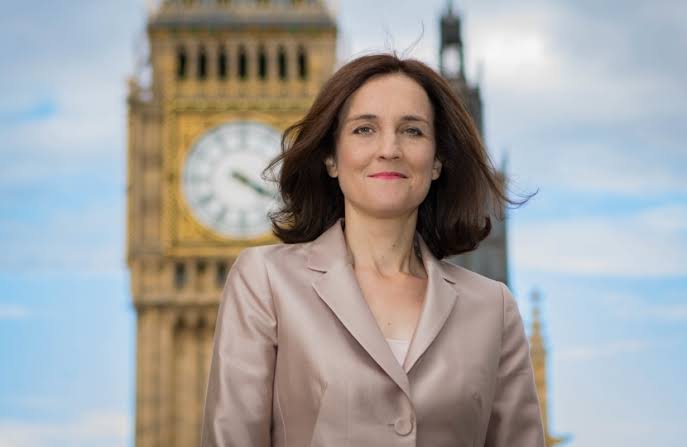
In 2012, Theresa Villiers was appointed Secretary of State for Northern Ireland, a role she held until 2016. The Conservative politician had already built a career as a eurosceptic MEP and transport minister before taking on one of the most sensitive briefs in British government.
From European Parliament to Cabinet: Villiers’ Political Rise
Theresa Villiers was born in London on 5 March 1968 and studied law at Bristol University. She entered politics as a Member of the European Parliament for London from 1999 to 2005, where she established herself as a eurosceptic voice. In 2005, she was elected as the Conservative MP for Chipping Barnet, a seat she would hold for nearly two decades. Before the Conservatives returned to government in 2010, Villiers served as a shadow minister for several departments, including transport and the Treasury. Her first ministerial role came in 2010 as Minister of State for Transport, a position she held until 2012. Public records covering this story are gathered in Theresa Villiers
What Is Confirmed and What Remains Unverified About Her Tenure
She was appointed a Privy Counsellor in 2012. However, some claims about her influence on Brexit negotiations remain unverified. Similarly, reports of tensions with the Democratic Unionist Party during her tenure are widely cited but lack official confirmation.
2024 Election Defeat and Recent Developments
In the 2024 general election, Villiers lost her Chipping Barnet seat to Labour’s Dan Tomlinson, ending her 19-year parliamentary career. The result reflected a broader swing away from the Conservatives in London. Since leaving Parliament, Villiers has remained active in Conservative Party circles, particularly through her role as a vice-president of Conservative Friends of Israel. She has also faced scrutiny over expenses claims on second home allowances in 2023, though no formal sanctions were imposed. Her future political ambitions remain unclear, but she has not ruled out a return to public office. Public records covering this story are gathered in Theresa Villiers
Behind the Scenes: How Villiers Navigated Northern Ireland Politics
Villiers’ approach to Northern Ireland was shaped by her legal background and her euroscepticism. She prioritized stability and cross-community dialogue, often working behind the scenes with party leaders. Her tenure saw the continuation of the peace process, though progress on legacy issues was slow. Critics argued she lacked the deep engagement of some predecessors, while supporters praised her steady hand during a period of relative calm. The internal dynamics of her relationship with the Northern Ireland Office and the Irish government have been described by insiders as professional but occasionally strained, particularly over the handling of parading disputes.
| Role | Years | Notes |
|---|---|---|
| MEP for London | 1999–2005 | Elected as Conservative |
| MP for Chipping Barnet | 2005–2024 | Lost to Labour in 2024 |
| Minister of State for Transport | 2010–2012 | Under David Cameron |
| Secretary of State for Northern Ireland | 2012–2016 | Appointed Privy Counsellor |
Frequently Asked Questions
When did Theresa Villiers become an MP?
Theresa Villiers was first elected as the Member of Parliament for Chipping Barnet in the 2005 general election. She held the seat continuously until her defeat in the 2024 general election.
How does Villiers’ role as Northern Ireland Secretary differ from her transport minister role?
As Minister of State for Transport, Villiers focused on aviation and rail policy. As Northern Ireland Secretary, she oversaw political stability and cross-community relations in a region with a complex peace process, requiring diplomatic and security expertise.
Where was Theresa Villiers born and educated?
Theresa Villiers was born in London on 5 March 1968. She studied law at Bristol University, where she earned her degree before entering politics.
Who is Theresa Villiers?
Theresa Villiers is a British Conservative Party politician who served as Secretary of State for Northern Ireland from 2012 to 2016 and as MP for Chipping Barnet from 2005 to 2024. She is a eurosceptic and former MEP.
Why did Theresa Villiers lose her seat in 2024?
Villiers lost her Chipping Barnet seat to Labour’s Dan Tomlinson in the 2024 general election, reflecting a national swing away from the Conservatives. Local factors included changing demographics and dissatisfaction with the Conservative government’s performance.
Legacy and Impact on Conservative Party Policy
Villiers’ influence within the Conservative Party extended beyond her ministerial roles. She was a vocal advocate for Brexit, aligning with the eurosceptic wing of the party. Her stance on European Union withdrawal shaped internal party debates and contributed to the broader push for the 2016 referendum. After leaving government, she remained a prominent figure in Conservative circles, often speaking at party conferences and events. Her loss in 2024 marked the end of an era for Chipping Barnet, a constituency she had represented for nearly two decades. Political analysts note that her departure reflects broader shifts in London’s electoral landscape, where the Conservatives have struggled to maintain support in suburban areas.
Personal Life and Public Perception
Outside of politics, Villiers has maintained a relatively private personal life. She is known for her interest in history and has written articles on Northern Ireland’s constitutional issues. Public perception of Villiers is mixed; some view her as a competent administrator who handled a difficult brief with professionalism, while others criticize her for a lack of boldness in addressing legacy issues. Her reputation as a eurosceptic has remained consistent throughout her career, earning her respect from party colleagues who share her views. However, her tenure as Northern Ireland Secretary is often overshadowed by the more high-profile roles of her successors during the Brexit negotiations.