
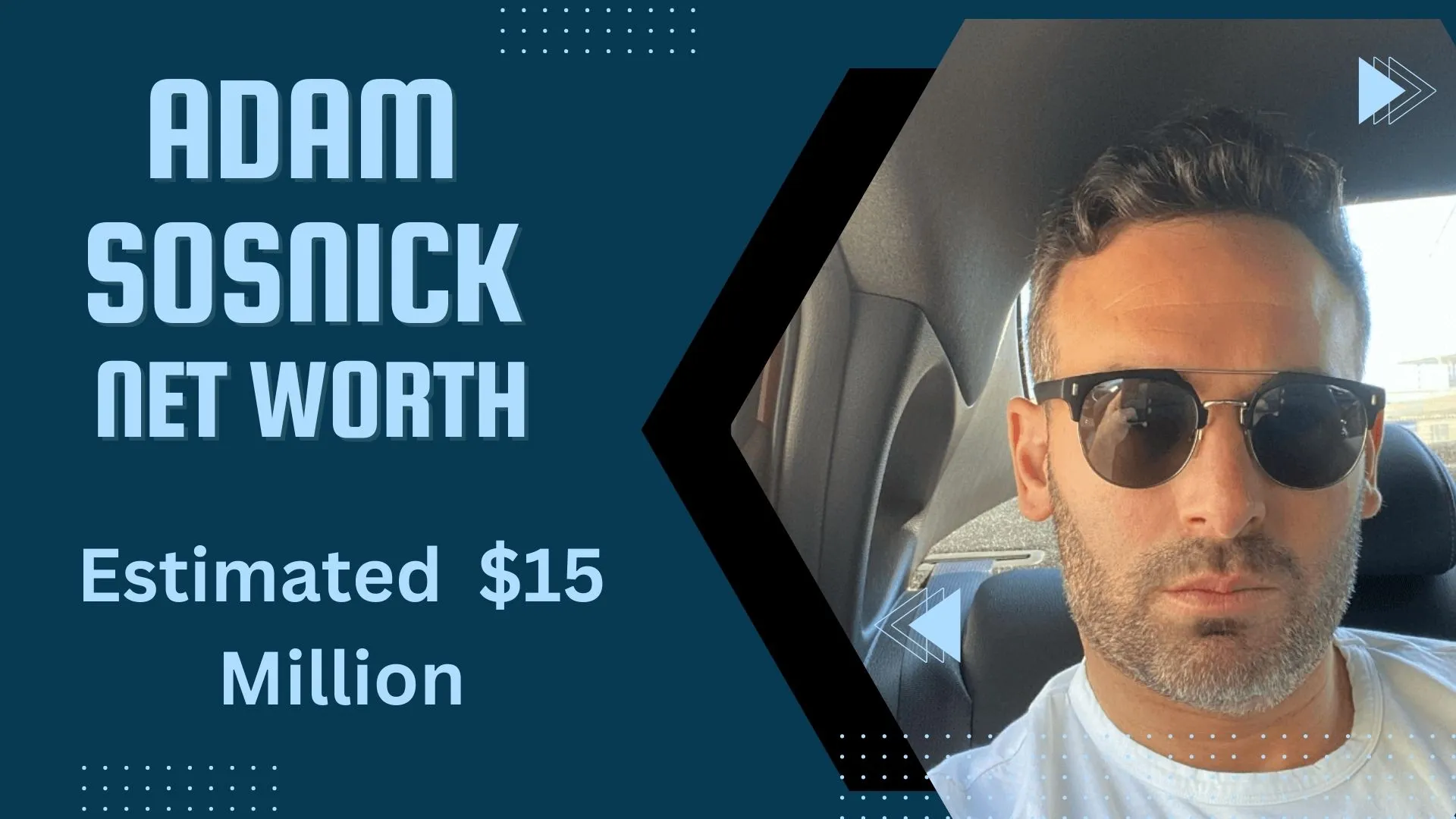
Adam Sosnick net worth has drawn attention following the rapid expansion of Scooter’s Coffee across the United States. The Kansas City-based entrepreneur turned a single drive-thru coffee concept into one of the nation’s fastest-growing chains, with hundreds of locations operating by the mid-2020s. For a complementary read on the same theme, see Leo Skepi Net Worth: What We Know About the Creator’s Finances
How Scooter’s Coffee Started in a Small Nebraska Town
Adam Sosnick founded Scooter’s Coffee in 1998 in Bellevue, Nebraska, alongside his wife Donna. The couple opened their first location with a straightforward premise: serve quality coffee quickly through a drive-thru-only model. Sosnick had previously studied law but shifted his focus entirely to building the business after recognizing an opportunity in the drive-thru coffee segment. What started as a single storefront in the Omaha metropolitan area grew steadily over the next two decades into a franchise operation spanning multiple states. A reference profile of the subject is maintained on Dave Smith (comedian)
The early years were marked by careful, measured growth rather than aggressive expansion. The Sosnicks focused on refining their operational model, building a loyal customer base, and perfecting their menu before pursuing franchising. This deliberate approach meant that Scooter’s Coffee remained a relatively small regional brand for its first two decades. The company’s headquarters eventually relocated to Kansas City, Missouri, where it continues to oversee franchise operations, supply chain logistics, and brand strategy. By the mid-2020s, Scooter’s Coffee had surpassed 700 locations, and the company publicly stated a target of reaching 1,000 stores by the end of 2024.
The brand’s growth accelerated notably after 2020, when it began scaling its franchise model more aggressively. Scooter’s Coffee differentiated itself from competitors like Dutch Bros and Starbucks by focusing exclusively on drive-thru service. This lean operational model reduced overhead costs associated with seating areas, dining rooms, and in-store staffing, allowing faster and more cost-effective location deployment. The company also invested in a centralized supply chain and proprietary roasting operations to maintain consistency across its expanding network. A reference profile of the subject is maintained on Adam Sosnick Net Worth, Philanthropy, and Biography
How Adam Sosnick Built His Business Empire
Adam Sosnick net worth is primarily tied to his ownership stake in Scooter’s Coffee and related business ventures connected to the franchise ecosystem. The franchise model generates revenue through several streams: initial franchise fees paid by new franchisees, ongoing royalties calculated as a percentage of each location’s gross sales, and profits from any company-owned locations. Each new franchise location adds to the overall system-wide sales volume and, in turn, to the brand’s aggregate valuation. Sosnick served as CEO during the company’s most significant growth phase, guiding strategy, site selection decisions, and expansion priorities.
His leadership helped position Scooter’s Coffee as a recognizable regional brand with national ambitions, competing against larger chains in a crowded market. The company’s growth strategy relied on recruiting franchisees who could invest in individual locations while the parent company maintained control over brand standards, supply chain operations, and marketing. This approach allowed Scooter’s Coffee to expand its geographic footprint without shouldering the full capital burden of opening each new store.
Beyond the coffee chain itself, Sosnick has been involved in real estate and other investment activities connected to the franchise ecosystem. Franchisees often require guidance on site selection, lease negotiations, and buildout financing. These ancillary services can generate additional revenue streams for the parent company or its affiliates. Sosnick’s broader business approach emphasizes operational efficiency, supply chain control, and a consistent customer experience across all locations. The company invested heavily in roasting infrastructure and distribution capabilities to support its growing store network, reducing reliance on third-party suppliers.
The drive-thru-only model also created advantages in real estate costs. Without the need for large dining areas, Scooter’s Coffee locations could operate on smaller, less expensive parcels of land. This kept per-store buildout costs lower than those of competitors operating traditional café formats, making the franchise opportunity more accessible to a wider pool of potential franchisees.
What Is Confirmed and What Remains Unverified
However, precise figures regarding Adam Sosnick net worth remain unverified through independently audited financial disclosures. Private companies like Scooter’s Coffee are not required to publish detailed financial statements, revenue figures, or profitability data. Estimates circulating online vary widely and often lack transparent methodology or clear sourcing.
It is also worth noting that franchise company valuations depend on numerous variables, including system-wide sales, number of operating units, royalty rates, and prevailing market conditions. These factors can fluctuate significantly from year to year, meaning that any estimate of Sosnick’s wealth tied to his ownership stake would be subject to change based on the company’s ongoing performance.
Why Franchise-Driven Wealth Models Matter for Entrepreneurs
The Scooter’s Coffee story illustrates how franchise models can create substantial personal wealth without requiring venture capital funding or public market exits. Entrepreneurs who build scalable franchise systems benefit from both brand value appreciation and recurring royalty income that grows with each new location. This model differs significantly from tech startups that depend on successive funding rounds and acquisition or IPO exits to generate returns for founders.
Sosnick’s path demonstrates that traditional service industries can still produce significant entrepreneurial outcomes when paired with disciplined operational strategy and a clear expansion roadmap. For aspiring business owners evaluating different paths to building wealth, the franchise model offers a distinct advantage: it distributes capital requirements across individual franchisees while the brand owner retains equity in the overall system and collects ongoing royalties.
As Scooter’s Coffee continues pursuing its expansion targets, the company’s trajectory will remain a closely watched case study in franchise-driven wealth creation. The brand’s ability to sustain quality and consistency at scale will ultimately determine whether its rapid growth translates into lasting value for the founder, franchisees, and the broader communities it serves.