
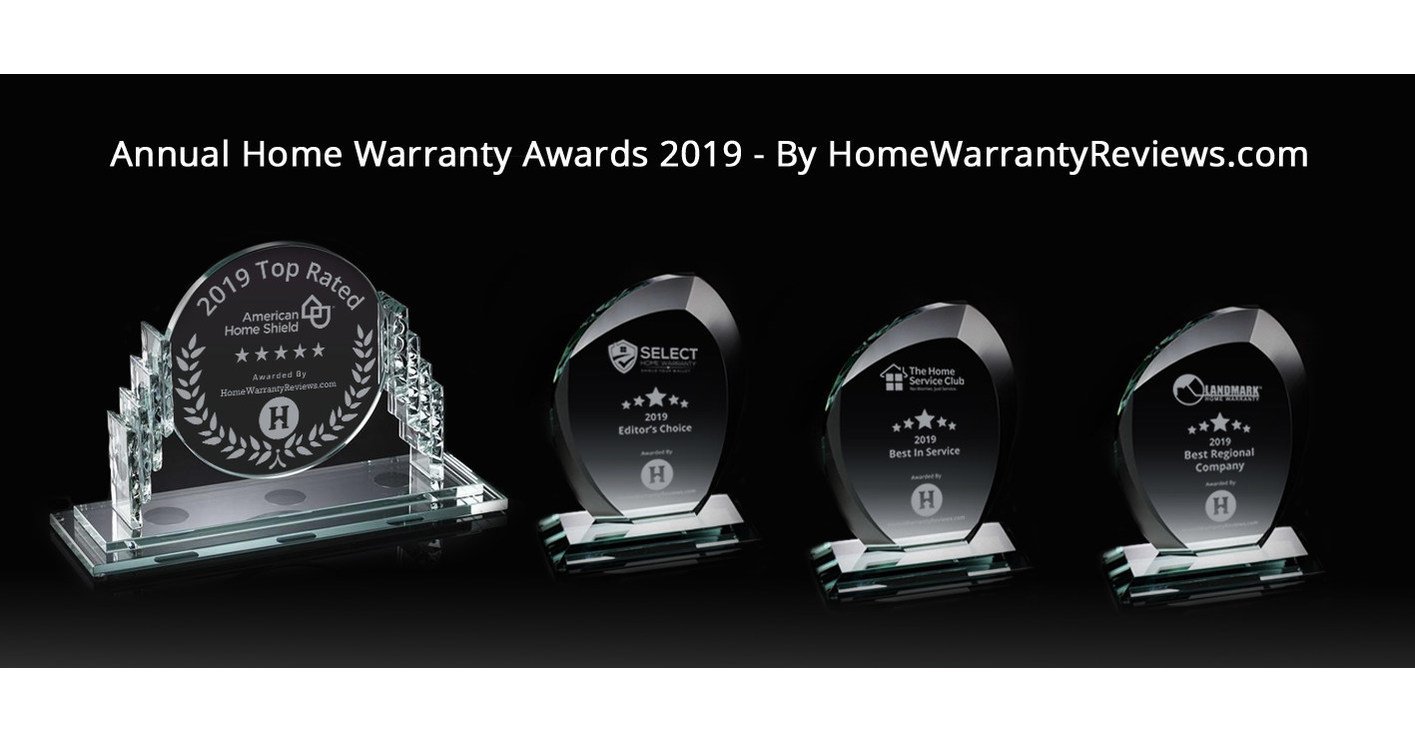
Choice home warranty awards highlight companies that stand out in a crowded home protection market. These recognitions help homeowners compare providers based on service quality, coverage options, and customer satisfaction. The program has gained attention as the home warranty industry continues to expand, with dozens of companies now competing for customers across the United States. Readers exploring choice home warranty awards will also find context in Joseph Zada: Who Is the American Public Figure?
How the Choice Home Warranty Awards Program Works
The awards program evaluates home warranty companies across several key dimensions. Judges typically examine claim response times, contractor network quality, plan transparency, and overall customer experience. Companies do not simply apply and receive recognition. Instead, they undergo review based on measurable performance indicators and consumer feedback. wikipedia.org/wiki/Warranty” rel=”noopener noreferrer” target=”_blank”>Warranty
According to some sources, the evaluation process includes analysis of complaint data from consumer protection agencies. Independent reviewers may also assess how clearly each company communicates coverage limitations before a contract is signed. This matters because unclear terms remain one of the most common sources of frustration for homeowners filing claims. A homeowner who discovers that a failed appliance is excluded from coverage after the fact faces both unexpected repair costs and lost trust in the provider.
The program also reportedly considers how companies handle disputes. Providers that offer clear escalation paths and fair mediation processes tend to score higher. This focus on dispute resolution reflects a broader industry concern: customer complaints about denied claims have drawn scrutiny from state regulators and consumer advocacy groups in recent years.
What Sets Award-Winning Home Warranty Providers Apart
Top-performing companies in the choice home warranty awards tend to share certain characteristics. They maintain responsive customer service teams and process claims within reasonable timeframes. Their contractor networks include licensed professionals across multiple trades, from plumbing and electrical to HVAC repair. A robust contractor network matters because delays in dispatching a qualified technician can turn a minor issue into a major household disruption.
Transparency is another distinguishing factor. Leading providers clearly outline what systems and appliances are covered under each plan tier. They also specify exclusions upfront rather than burying them in fine print. This approach reduces disputes when a homeowner files a claim for a failed water heater or aging refrigerator. Some companies provide detailed comparison charts on their websites, allowing prospective customers to see exactly what they are purchasing before committing to a contract.
Some award recipients have also invested in digital tools that let customers track claim status online. Others offer flexible plan structures, allowing homeowners to customize coverage based on the age and condition of their home’s major systems. For example, a buyer with a newly constructed home may prioritize appliance coverage, while an owner of an older property might focus on plumbing and electrical systems. Providers that accommodate these different needs often earn higher marks in customer satisfaction surveys.
Another trait observed among recognized companies is consistency in service delivery across different regions. A provider that performs well in one state but poorly in another may receive mixed reviews that affect its overall standing. Companies with standardized training programs for contractors and centralized quality control tend to deliver more uniform experiences regardless of where a customer lives.
What Is Confirmed and What Remains Unclear
Multiple home warranty companies reference these awards in their marketing materials. The program appears to assess providers on service delivery and consumer satisfaction metrics. Several providers have publicly announced receiving recognition through the program, and these announcements are typically accompanied by details about the criteria or categories in which they were evaluated.
What remains unclear is the exact methodology used in each evaluation cycle. Specific scoring weights, the number of reviewers involved, and how frequently winners are reassessed are not always publicly disclosed. Homeowners should treat these awards as one data point rather than a definitive ranking. The absence of a fully transparent scoring system means that consumers cannot independently verify how one provider’s score compares to another’s.
It is also worth noting that winning an award does not guarantee a flawless experience. Individual results vary based on location, the specific contractor assigned, and the nature of the claim. A company may perform exceptionally well in urban areas with dense contractor networks but struggle in rural regions where qualified technicians are scarce. Reading recent customer reviews alongside award status provides a more complete picture of what a homeowner can realistically expect.
Why Award Recognition Matters for Homeowners Choosing Coverage
Selecting a home warranty plan involves trusting a company to cover expensive repairs at unpredictable times. Award recognition offers a starting point for narrowing options, especially when dozens of providers compete for attention with similar-sounding promises. Without some form of independent evaluation, homeowners face the difficult task of distinguishing marketing language from actual service quality.
Homeowners can use the choice home warranty awards list as a shortlist, then dig deeper into each provider’s plan details, pricing, and local contractor availability. Cross-referencing award status with third-party review platforms and state consumer complaint records adds another layer of due diligence. Checking with a state’s attorney general office or consumer protection division can reveal whether a provider has a history of unresolved complaints that might not surface in online reviews alone.
The practical takeaway is straightforward. Awards signal that a company has met a certain standard, but the final decision should always rest on how well a specific plan matches your home’s needs and your budget. A homeowner in a region with extreme weather conditions, for instance, may need a plan that specifically covers HVAC systems under heavy seasonal strain. Someone purchasing an older home might prioritize coverage for aging plumbing infrastructure. By combining award recognition with personal research, buyers can make more informed decisions and reduce the likelihood of unpleasant surprises when a claim arises.