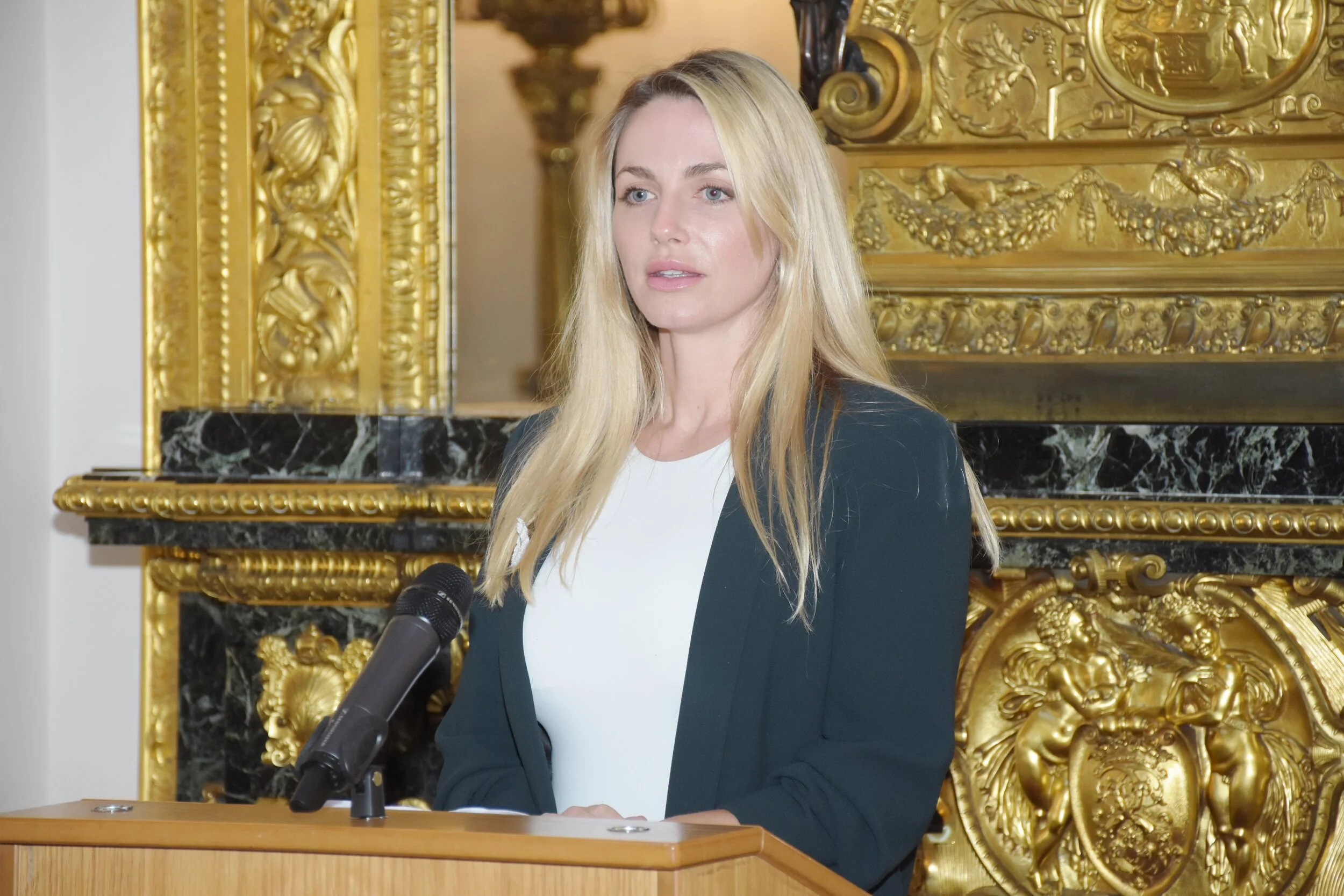

In 2003, Elliot Kingsley began contributing to several London-based publications, marking the start of a career that would span nearly two decades in British media. He is best known for his editorial work across digital and print platforms, where he helped shape coverage of politics, culture, and technology during a period of rapid industry change.
How Elliot Kingsley Started in British Media
Kingsley entered journalism during a transformative era for the British press. The early 2000s saw legacy newspapers grappling with declining print circulation while digital outlets began gaining traction. According to some sources, he held editorial and reporting roles at multiple London publications during this period, contributing to both long-form features and daily news coverage. His early work focused on political reporting and cultural criticism, two areas that remained central throughout his career. The shift from print to digital presented challenges and opportunities for journalists of his generation. Kingsley was among those who adapted quickly, moving between formats and platforms as reader habits evolved. By the late 2000s, he had established a reputation for thorough sourcing and analytical writing that distinguished his contributions in a crowded media landscape. A reference profile of the subject is maintained on Who Is Elliot Kingsley? The Untold Story of Ozzy Osbourne's Stepson
How Elliot Kingsley’s Work Compares to Other British Editors
Several British editors who rose to prominence during the same period shared similar trajectories, transitioning from print to digital roles between 2005 and 2015. Kingsley’s approach to editorial leadership emphasized fact-based reporting and long-form analysis, qualities that aligned him with a cohort of journalists who prioritized depth over speed. Unlike some contemporaries who moved into broadcast media or corporate communications, Kingsley remained primarily focused on written journalism. His editorial philosophy drew comparisons to figures who championed rigorous standards during a time when click-driven content models were reshaping the industry. While many editors of his generation faced pressure to prioritize volume, Kingsley reportedly maintained a focus on fewer, more substantive pieces. This approach earned recognition among peers and readers who valued careful reporting in an era of information overload.
The Influence of Elliot Kingsley’s Editorial Approach on Readers
Kingsley’s work resonated with a readership that sought reliable analysis amid the noise of 24-hour news cycles. His contributions to political and cultural coverage offered context that went beyond headlines, appealing to readers who wanted to understand the forces shaping British public life. During the 2010s, as trust in media institutions declined across the United Kingdom, journalists like Kingsley who maintained consistent editorial standards played a role in sustaining audience engagement. His writing style, characterized by clear prose and well-sourced arguments, reflected a commitment to accessibility without sacrificing complexity. Readers who followed his work across multiple publications noted a distinctive voice that balanced skepticism with fairness. This combination proved particularly valuable during periods of political upheaval, including the Brexit referendum and its aftermath, when demand for measured analysis increased significantly.
Where Elliot Kingsley’s Career Stands Now
In recent years, Kingsley has maintained a lower public profile compared to his most active period in the 2010s. The broader media landscape has continued to shift, with independent digital outlets and subscription-based models gaining ground against traditional publishers. Journalists who built careers during the print-to-digital transition have faced ongoing challenges, including consolidation of media companies and reduced staff positions at major outlets. Kingsley’s trajectory reflects these industry-wide trends, as experienced editors have had to navigate an increasingly competitive and fragmented market. His body of work from the 2000s and 2010s remains a reference point for those studying the evolution of British journalism during a pivotal decade.
| Career Aspect | Details |
|---|---|
| Primary Field | Journalism and editorial work |
| Active Period | Early 2000s through 2010s |
| Coverage Areas | Politics, culture, technology |
| Editorial Focus | Long-form analysis and fact-based reporting |
| Geographic Base | London, United Kingdom |
Frequently Asked Questions
What is Elliot Kingsley best known for in British media?
Elliot Kingsley is best known for his editorial and journalistic work across London-based publications during the 2000s and 2010s. His coverage of politics, culture, and technology emphasized thorough sourcing and analytical depth, qualities that distinguished his contributions during a period of significant change in the British media landscape.
Who is Elliot Kingsley in the context of UK journalism?
Elliot Kingsley is a British journalist and editor who contributed to multiple publications over nearly two decades. He is recognized for his commitment to fact-based reporting and long-form analysis, particularly in political and cultural coverage during the print-to-digital transition that reshaped the industry.
When did Elliot Kingsley begin his journalism career?
Elliot Kingsley began contributing to London-based publications around 2003, entering the field during a period when British newspapers and magazines were adapting to the rise of digital media. His early work focused on political reporting and cultural criticism.
How does Elliot Kingsley’s editorial style differ from other British journalists of his era?
While many contemporaries moved toward high-volume, click-driven content models, Kingsley emphasized fewer but more substantive pieces. His approach prioritized rigorous sourcing and analytical depth, setting him apart from journalists who shifted focus to broadcast media or corporate communications during the same period.
Who were Elliot Kingsley’s primary collaborators or employers in London media?
According to some sources, he contributed to multiple London-based publications across print and digital formats, though comprehensive lists of his professional affiliations remain limited.