
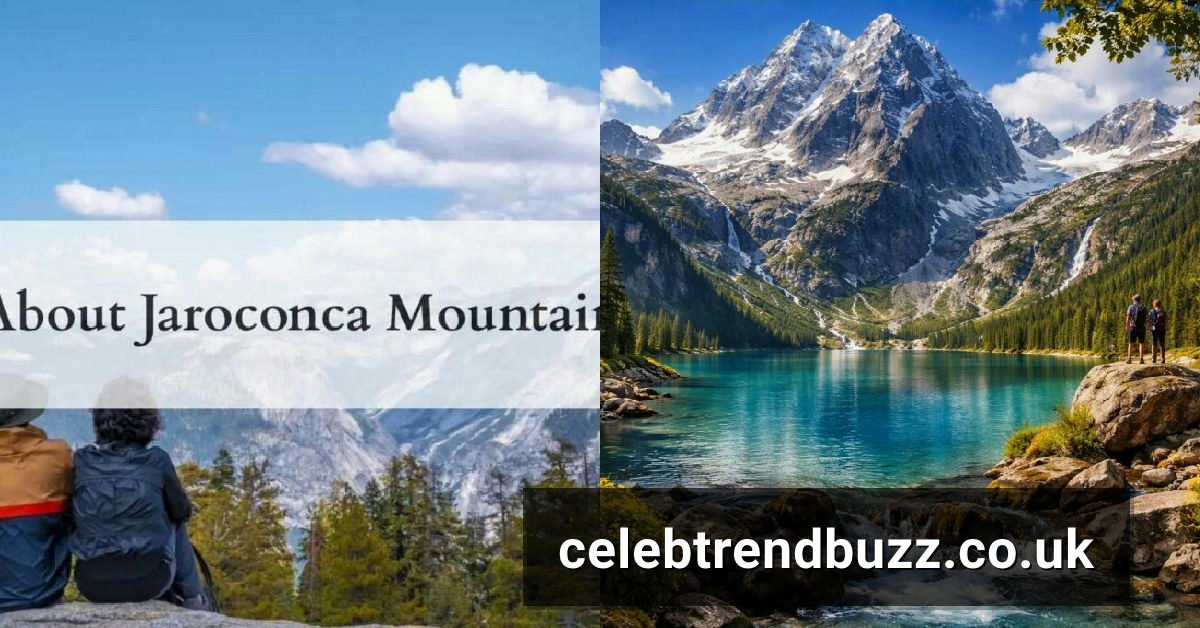
Most people know the Andes for peaks like Aconcagua or Huascarán. Jaroconca Mountain is different. It rises to about 5,200 meters (17,060 feet) in Peru’s Huánuco Region, part of the Cordillera Huayhuash range. The name comes from Quechua, meaning “black neck” or “dark pass.” This peak is not a household name, but it draws serious mountaineers.
Key Milestones in Jaroconca’s Climbing History
The first recorded ascent of Jaroconca Mountain happened in 1967. A Polish expedition team reached the summit that year. Since then, the mountain has seen occasional ascents by experienced climbers. The terrain is steep and rocky, with routes that demand technical skill. Some expeditions combine Jaroconca with nearby peaks in the Huayhuash circuit. The area remains less crowded than better-known Andean climbs, which appeals to those seeking solitude.
Practical Advice for Trekking Near Jaroconca Today
If you plan to visit Jaroconca Mountain, start by checking access conditions. The peak lies within the Huayhuash Reserve, a protected area established in 2002. Permits may be required. Local communities in the region use the land for grazing and traditional agriculture. Respect their property and customs. The best climbing season is typically May to September, during the dry Andean winter. Hire a qualified guide who knows the routes. Glacial retreat, linked to climate change, has altered some approaches in recent years. Check recent reports from the Peruvian mountaineering association or local outfitters.
Regulatory and Conservation Context for Jaroconca
The Huayhuash Reserve was created to protect the fragile alpine ecosystem. Jaroconca Mountain sits inside this zone. Regulations limit the number of visitors and require waste management plans. The Peruvian government, through the National Service of Natural Protected Areas (SERNANP), oversees the reserve. Violations can result in fines. Climate change adds pressure: glaciers in the Cordillera Huayhuash have been shrinking. This affects water supply for downstream communities. Some conservation groups advocate for stricter limits on trekking and climbing to reduce human impact. Public records covering this story are gathered in Jaroconca Mountain – jaroconca.com
Lessons from a 2018 Climbing Incident on Jaroconca
In 2018, a team of Argentine climbers attempted Jaroconca Mountain during a late-season storm. They underestimated the weather. One climber suffered severe frostbite on the descent. Rescue operations took two days due to the remote location. The incident highlights a key lesson: Jaroconca’s weather can change rapidly, even in the dry season. Proper gear, satellite communication, and a flexible itinerary are essential. The weaker claim here is that any fit hiker can summit this peak. In reality, it requires technical climbing experience and good judgment.
| Aspect | Detail |
|---|---|
| Elevation | Approximately 5,200 m (17,060 ft) |
| First Ascent | 1967, Polish expedition |
| Location | Huánuco Region, Peru, Cordillera Huayhuash |
| Protected Area | Huayhuash Reserve (since 2002) |
| Name Origin | Quechua: “black neck” or “dark pass” |
Frequently Asked Questions
How does Jaroconca Mountain differ from other peaks in the Cordillera Huayhuash?
Jaroconca is less frequently climbed than neighbors like Yerupajá or Siula Grande. Its routes are technically demanding but shorter, making it a good objective for experienced climbers with limited time. The views of Lake Viconga are a highlight.
Why did the Polish expedition choose Jaroconca for their first ascent in 1967?
According to some sources, the Polish team was exploring the Huayhuash range and selected Jaroconca because it appeared unclimbed and offered a challenging route.
Is Jaroconca Mountain still safe to climb given glacial retreat?
Glacial retreat has made some approaches more unstable. Climbers should check current conditions with local guides. The mountain itself remains climbable, but crevasses and rockfall risks may have increased. Proper equipment and up-to-date route information are critical.
What permits or ethical considerations apply when climbing Jaroconca?
Climbers need permission from SERNANP to enter the Huayhuash Reserve. Leave-no-trace practices are mandatory. Hiring local porters and guides supports the community economy. Avoid disturbing grazing animals or crops.
What is Jaroconca Mountain best known for among mountaineers?
It is known for its steep, technical climbing in a remote setting. The peak offers a true wilderness experience away from crowded routes. Its Quechua name and glacial landscape also draw interest from cultural and environmental perspectives.