Most people know Jodie Ounsley from reality TV shows like The Apprentice or SAS: Who Dares Wins. But her path to the screen began on the rugby pitch and the athletics track, where she competed at an elite level while managing a profound hearing loss. Born profoundly deaf in 2000, Ounsley uses cochlear implants and has built a career that spans professional sport, modeling, and television.
How Jodie Ounsley Built a Dual Career in Sport and Media
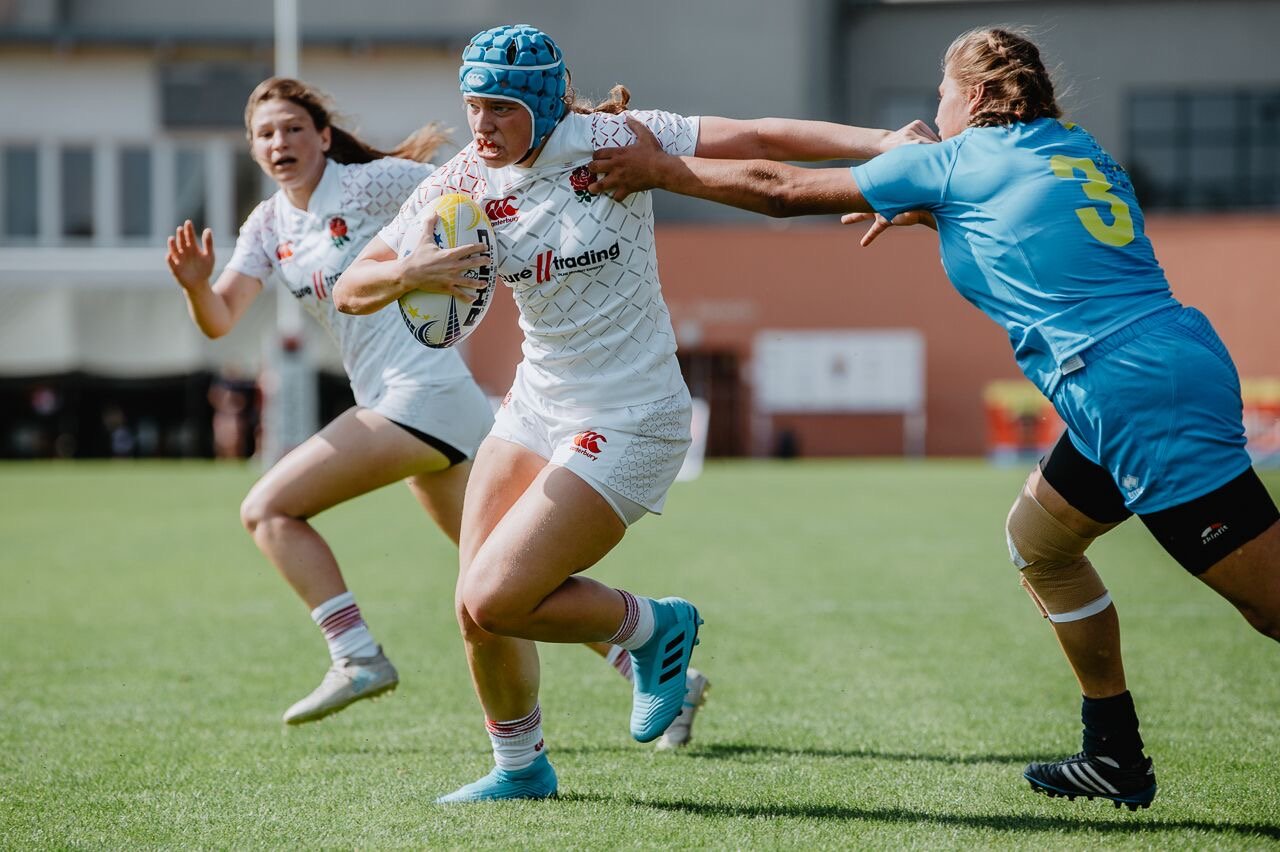
Ounsley’s athletic journey started early. She won medals at the 2017 Deaflympics as a sprinter, then shifted focus to rugby. By 2019, she had joined the England Rugby Sevens squad and played for Exeter Chiefs in the Premier 15s. Balancing elite sport with academics, she studied at Loughborough University. Her father, Steve Ounsley, was a professional rugby player for Wakefield Trinity, which gave her early exposure to the sport. In 2023, she appeared as a candidate on the BBC’s The Apprentice, and in 2024 she competed on SAS: Who Dares Wins. She also signed with Elite London for modeling work. Public records covering this story are gathered in Jodie Ounsley
Comparing Ounsley’s Path with Other Deaf Athletes in Mainstream Media
Ounsley is not the first deaf athlete to gain mainstream attention, but her trajectory is unusual. Unlike many deaf sportspeople who focus solely on competition, she has leveraged her profile across multiple platforms. For example, American swimmer Marcus Titus competed in the Olympics but did not transition to television. Ounsley’s combination of rugby, modeling, and reality TV sets her apart. She also uses her Instagram following—over 100,000—to advocate for deaf awareness and fitness, a strategy more common among younger athletes.
Practical Takeaways from Ounsley’s Approach to Advocacy and Career
For aspiring athletes or deaf individuals, Ounsley’s career offers a few lessons. First, she diversified early: she did not wait until retirement to explore media. Second, she partnered with organizations like Deaf Sports UK as an ambassador, giving her advocacy a formal platform. Third, she maintained authenticity by sharing her cochlear implant journey openly on social media. These steps helped her build a personal brand that extends beyond sport. Readers can apply similar principles by identifying their unique story and seeking partnerships with relevant charities or agencies. Public records covering this story are gathered in Gladiator Jodie Ounsley looks back: 'There weren't many girls like me …
| Year | Milestone |
|---|---|
| 2017 | Won medals at Deaflympics as a sprinter |
| 2019 | Joined England Rugby Sevens squad |
| 2023 | Appeared on BBC’s The Apprentice |
| 2024 | Competed on SAS: Who Dares Wins |
Frequently Asked Questions
Is it safe for a deaf person to play contact rugby at a professional level?
Yes, with proper accommodations. Ounsley uses cochlear implants that are secured during play, and referees and teammates are aware of her condition. Rugby’s governing bodies have protocols to ensure safety for players with hearing impairments.
How does Jodie Ounsley differ from other deaf athletes who have appeared on reality TV?
Most deaf athletes in reality TV have been from the United States, such as Nyle DiMarco on America’s Next Top Model. Ounsley is British and came from a rugby background, not modeling or acting, which makes her path distinct.
Why did Jodie Ounsley choose to appear on The Apprentice?
According to interviews, she wanted to challenge herself outside sport and gain business experience. The show’s competitive format appealed to her athletic mindset, and she saw it as a platform to raise awareness about deafness.
What is Jodie Ounsley doing now in 2025?
She continues to model with Elite London, works as an ambassador for Deaf Sports UK, and posts fitness and lifestyle content on Instagram. She has not announced a return to professional rugby but remains active in advocacy.
How much does it cost to get cochlear implants like Jodie Ounsley uses?
In the UK, cochlear implants are provided through the National Health Service (NHS) for eligible patients, so there is no direct cost. Privately, the surgery and device can cost between £40,000 and £60,000, but most people receive them via public healthcare.