
Early Career and Rise to Fame
Sally Thomsett began her acting career in the late 1960s, quickly gaining attention for her natural charm and comedic timing. She appeared in films such as The Railway Children in 1970, where she played the role of Phyllis. Her performance earned her widespread recognition across the UK. Public records covering this story are gathered in List of Robin’s Nest episodes
By the mid-1970s, Thomsett became a household name through her starring role as Vicki in Robin’s Nest, a sitcom centered around a young couple running a restaurant. The show aired from 1977 to 1981 and remains a beloved part of British television history. Her chemistry with co-star Richard O’Sullivan was a key factor in the series’ success.
Throughout her career, Thomsett maintained a relatively low public profile, focusing on family life after stepping back from regular acting roles in the early 1980s. Despite her reduced screen presence, she remained a respected figure in the entertainment industry. Public records covering this story are gathered in
The Emergence of Sally Thomsett Face Illness
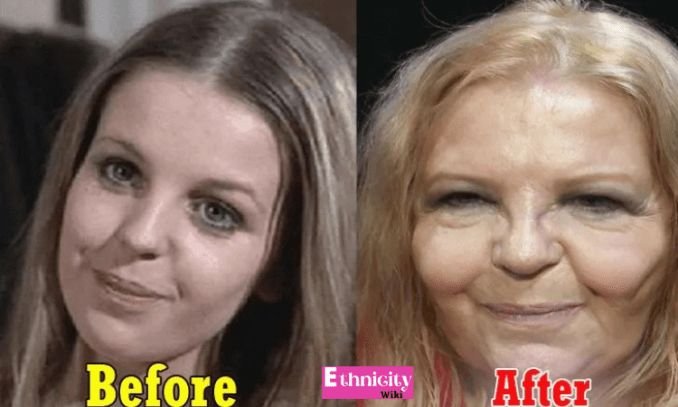
In recent years, fans began noticing subtle changes in Thomsett’s facial appearance during rare public appearances and archival footage comparisons. These observations led to speculation about a possible medical condition affecting her face.
The term “sally thomsett face illness” has circulated online, primarily in fan forums and entertainment news comment sections. The lack of transparency has fueled both concern and misinformation.
Medical experts consulted by entertainment outlets have noted that facial asymmetry or changes in expression can result from a range of conditions, including Bell’s palsy, stroke, or chronic neurological issues.
Public Reaction and Media Coverage
Fans of Robin’s Nest and The Railway Children have expressed support for Thomsett on social media platforms. Many have praised her past work and voiced hope for her well-being. Online communities have shared old clips and photos, celebrating her contributions to British television.
Entertainment news sites have approached the topic with caution, emphasizing the importance of privacy. Several articles have reminded readers that public figures deserve dignity when dealing with health matters. The coverage has largely avoided sensationalism, focusing instead on Thomsett’s legacy and the need for respectful discourse.
No major media outlet has published an interview with Thomsett regarding her health. Her representatives have not issued a public statement, reinforcing the private nature of the situation. This silence has led to ongoing curiosity but also underscores the boundaries between public interest and personal privacy.
What Is Confirmed and What Remains Unverified
Her last known acting credit was in the early 1980s, and she has since lived a quiet life away from the spotlight. Her role in Robin’s Nest remains her most recognized work.
What remains unverified is the exact nature of the facial changes observed by fans. There is no medical documentation, official diagnosis, or direct comment from Thomsett confirming an illness. The phrase “sally thomsett face illness” appears to be a fan-coined term rather than a clinical or journalistic label.
Additionally, there is no evidence linking her condition to any specific event, injury, or treatment. Speculation about causes—ranging from age-related changes to rare diseases—lacks substantiation. Responsible reporting requires distinguishing between observation and fact.
Why This Matters for Fans and Media Ethics
The discussion around Sally Thomsett’s health highlights broader issues in celebrity culture. Public figures often face scrutiny over personal matters, especially when physical changes become noticeable. This case underscores the need for empathy and restraint in how media and audiences engage with such topics.
For fans, supporting a beloved actor means respecting boundaries. Celebrating Thomsett’s work—such as her performances in The Railway Children and Robin’s Nest—can be a positive way to honor her legacy without intruding on her privacy.
Moving forward, the entertainment industry may benefit from clearer guidelines on reporting health-related changes in public figures. Balancing public interest with personal dignity remains a challenge, particularly in the age of social media and instant commentary.