
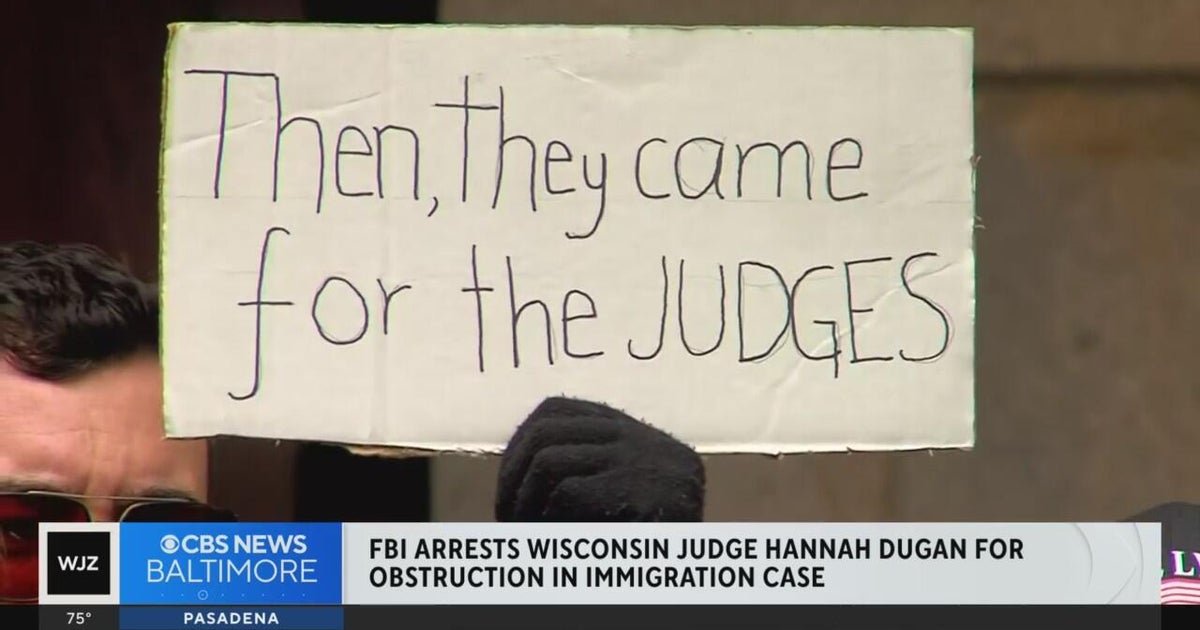
Milwaukee County Circuit Judge Hannah Dugan was arrested and charged with federal obstruction of justice in April 2025. The charges stem from an incident in which she allegedly helped an undocumented immigrant leave her courtroom through a rear exit to avoid U.S. Immigration and Customs Enforcement agents waiting in the hallway. For a complementary read on the same theme, see Jynxzi Age: How Old Is the Rising Twitch Streamer?
What Happened in the Milwaukee County Courtroom
On April 28, 2025, Judge Dugan was presiding over a domestic battery case involving Eduardo Flores-Ruiz, a man who had been in the country without legal authorization. According to federal court filings, ICE agents arrived at the Milwaukee County Courthouse to detain Flores-Ruiz after his hearing. When the agents entered the courtroom, Dugan reportedly directed Flores-Ruiz to leave through the jury door at the back of the room rather than the main hallway entrance where additional agents were stationed. A reference profile of the subject is maintained on Hannah Dugan
The federal complaint states that the judge asked the agents if they had a judicial warrant, which they did not — they held only an administrative warrant. Dugan then returned to the bench and, according to the affidavit, told Flores-Ruiz’s attorney that the agents lacked proper authority. She allegedly allowed the defendant to exit through the back door into a restricted area of the courthouse before he was eventually apprehended outside the building.
The incident lasted only minutes but was captured in part by courthouse surveillance footage reviewed by federal investigators. The footage, according to the complaint, showed Dugan speaking with the agents at the courtroom door before turning back and directing the defendant toward the rear exit. The agents did not pursue Flores-Ruiz through the restricted area, as doing so would have required bypassing a secured door typically reserved for jurors and court staff. A reference profile of the subject is maintained on Milwaukee County Judge Hannah Dugan found guilty of felony obstruction
How the Wisconsin Judge Hannah Dugan Obstruction Case Unfolded
The U.S. Department of Justice charged Dugan with two felony counts: obstruction of proceedings before a department or agency of the United States and concealing an individual to prevent discovery and arrest. Each count carries a maximum sentence of five years in federal prison and a fine of up to $250,000. Dugan pleaded not guilty at her initial appearance in U.S. District Court for the Eastern District of Wisconsin.
Her defense team has argued that the judge was exercising her authority to maintain courtroom order and protect the integrity of judicial proceedings. They contend that the agents’ use of an administrative warrant rather than a judicial warrant raised legitimate legal questions about their authority inside a courtroom. Supporters of Dugan, including several members of the Milwaukee legal community, have characterized the prosecution as an overreach that could chill judicial independence.
Critics, including federal prosecutors, argue that a judge actively facilitating the evasion of a lawful federal arrest constitutes a clear obstruction regardless of the warrant type. The case has drawn national attention because it pits federal immigration enforcement authority against the autonomy of state-level judiciary proceedings.
Dugan was released following her initial court appearance and has continued to serve as a circuit judge while the case proceeds, though she has been reassigned from certain duties. The Milwaukee County Courthouse has seen increased federal immigration enforcement activity in recent years, and some local attorneys say the April incident reflected growing friction between local judicial practices and federal enforcement priorities.
What Is Confirmed and What Remains Unverified
The indictment, filed in the Eastern District of Wisconsin, lays out the specific allegations regarding the rear-exit incident.
What remains less clear is the full scope of any prior interactions between Dugan and ICE agents at the Milwaukee County Courthouse. It is also not yet known whether the case will proceed to trial or be resolved through a plea agreement or dismissal.
The Flores-Ruiz case itself is also ongoing. He faces separate federal charges related to his immigration status and reentry into the United States after a prior removal. The outcome of his case could influence the trajectory of the charges against Dugan. Legal analysts note that if the underlying charges against Flores-Ruiz are dismissed or reduced, it could affect the government’s theory that Dugan obstructed a valid enforcement action.
Why the Wisconsin Judge Hannah Dugan Obstruction Case Matters
This case raises fundamental questions about the boundaries of judicial authority when it intersects with federal law enforcement operations. If a judge can be prosecuted for managing access to her own courtroom, legal scholars say the implications could extend far beyond immigration enforcement. Defense attorneys and civil liberties organizations have expressed concern that the prosecution could deter judges from making independent procedural rulings in any case involving federal agents.
The distinction between administrative and judicial warrants is central to the dispute. Administrative warrants are issued by federal immigration officials, not by judges, and do not carry the same legal weight inside a courtroom setting. Several legal experts have noted that judges routinely make determinations about who may enter or exit their courtrooms, and that such determinations are a core function of judicial authority.
The outcome may set a precedent for how federal and state judicial authorities interact in courthouses across the country. As the case moves through the Eastern District of Wisconsin, court watchers and legal analysts will be watching closely for rulings on the scope of judicial discretion versus federal enforcement power. A decision in either direction could reshape the relationship between local courts and federal agencies for years to come.