
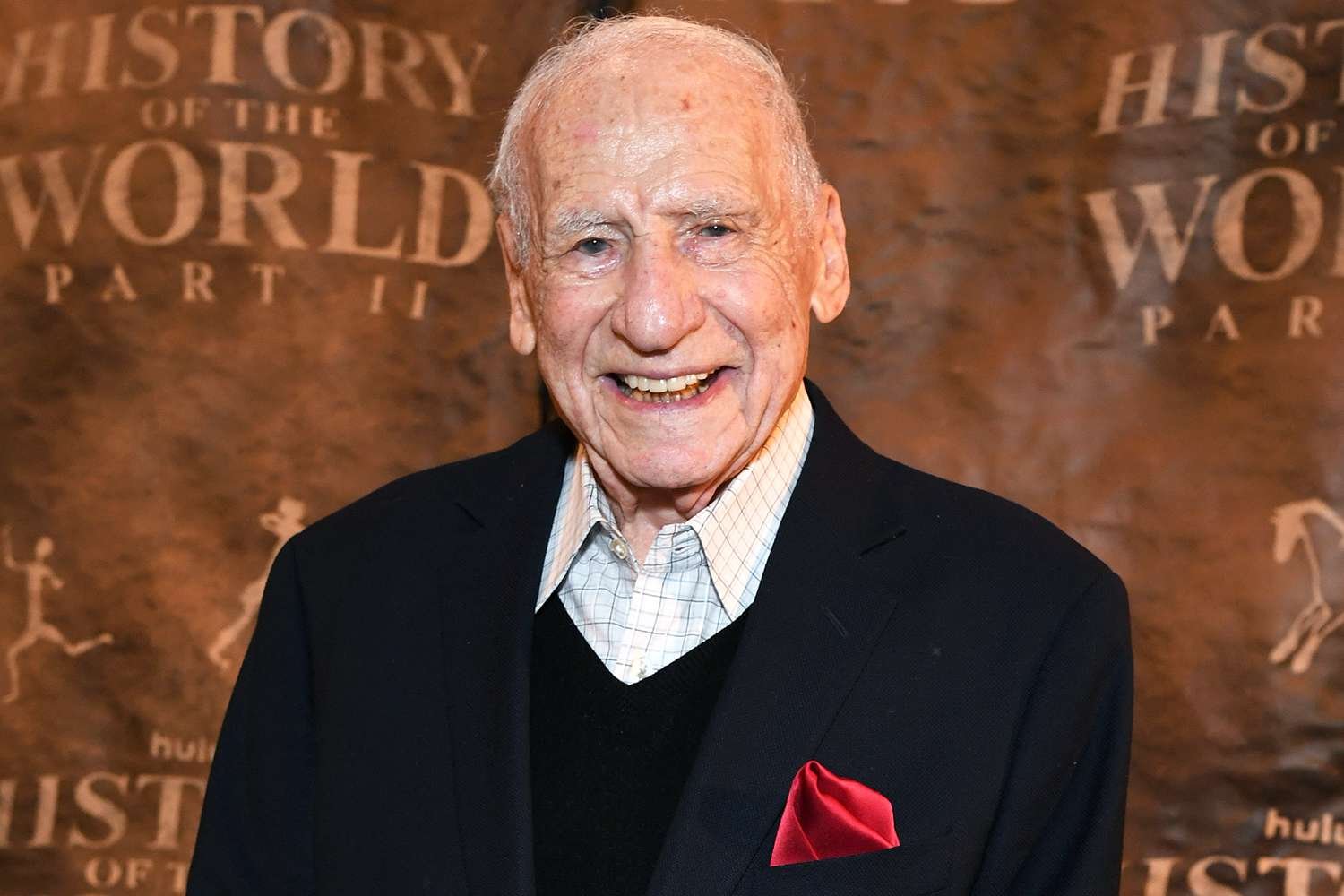
Many know Mel Brooks as the master of parody, but few realize he served in World War II before writing for Sid Caesar. Born in Brooklyn in 1926, Brooks built a career that spans stage, screen, and television. His work redefined comedy for generations.
How Mel Brooks Compares to Other Comedy Icons of His Era
Brooks shares the irreverent spirit of contemporaries like Woody Allen and Carl Reiner. Yet his approach differs sharply. Allen focused on neurotic urban intellectuals; Brooks aimed for broad, slapstick satire. Reiner, his longtime collaborator, often played straight man to Brooks’s manic energy. Brooks also stands apart for his genre-specific parodies — Westerns, horror, and musicals — rather than observational humor. His films like Blazing Saddles tackled racism head-on, a bold move in the 1970s. This willingness to offend for laughs set him apart from more cautious peers. A reference profile of the subject is maintained on Mel Brooks
| Comedy Figure | Signature Style | Notable Work |
|---|---|---|
| Mel Brooks | Parody and satire of film genres | Blazing Saddles (1974) |
| Woody Allen | Neurotic, intellectual humor | Annie Hall (1977) |
| Carl Reiner | Witty, character-driven comedy | The Dick Van Dyke Show |
Key Milestones in Mel Brooks’s Career: From Sid Caesar to EGOT
Brooks began as a writer for Your Show of Shows in the 1950s, honing his craft alongside Neil Simon. In 1965, he co-created Get Smart with Buck Henry, a spy spoof that became a hit. His directorial debut, The Producers (1967), won an Academy Award for Best Original Screenplay. The 1974 double punch of Blazing Saddles and Young Frankenstein cemented his reputation. Brooks later earned a Tony for the musical adaptation of The Producers in 2001, completing his EGOT. He received a Kennedy Center Honor in 2009 and a BAFTA Fellowship in 2017. In 2023, he published his memoir, All About Me!: My Remarkable Life in Show Business.
Common Misconceptions About Mel Brooks, Clarified
One myth is that Brooks wrote all his films alone. In truth, he collaborated with writers like Richard Pryor on Blazing Saddles and Gene Wilder on Young Frankenstein. Another misconception is that his humor is purely slapstick. Brooks often wove social commentary into his parodies, such as racial satire in Blazing Saddles. Some believe he retired after the 1990s, but he remained active, producing Broadway shows and appearing in documentaries. Finally, while Brooks is known for comedy, he also served in the U.S. Army during World War II, repairing equipment in Europe — a fact that surprises many fans. A reference profile of the subject is maintained on Official site
Mel Brooks Today: Recent Projects and Enduring Influence
At 98, Brooks still engages with fans through interviews and social media. His 2023 memoir became a bestseller, offering behind-the-scenes stories. He occasionally appears in documentaries about comedy history. Brooks’s influence is visible in modern parodies by filmmakers like the Zucker brothers and the Scary Movie franchise. His work continues to be studied in film schools for its innovative use of satire. While he no longer directs, his legacy as an EGOT winner and comedy pioneer remains secure.
Frequently Asked Questions
How does Mel Brooks’s comedy differ from that of Charlie Chaplin?
Chaplin relied on silent physical comedy and pathos, while Brooks uses rapid-fire dialogue, parody, and deliberate vulgarity. Brooks’s humor is more self-aware and meta, often breaking the fourth wall.
When did Mel Brooks win his first Oscar?
Brooks won the Academy Award for Best Original Screenplay in 1968 for The Producers. The film was released in 1967 but won the award the following year.
Why did Mel Brooks choose to parody specific film genres?
Brooks has said he parodies genres he loves, like Westerns and horror, to both celebrate and mock their conventions. This approach allows him to critique societal issues while entertaining audiences.
How many EGOT awards has Mel Brooks won?
Brooks has won four major entertainment awards: an Emmy, a Grammy, an Oscar, and three Tony Awards (one competitive, two special). He achieved EGOT status in 2001.
Is it true that Mel Brooks was banned from some networks for his humor?
Some of Brooks’s material was considered too risqué for television in the 1950s and 1960s, but he was never formally banned. His film Blazing Saddles faced censorship battles but was released with an R rating.
The Enduring Legacy of Mel Brooks in Modern Comedy
Brooks’s impact on comedy is immeasurable. His fearless approach to taboo subjects paved the way for later satirists like Seth MacFarlane and Trey Parker. The rapid-fire joke density in his films influenced the style of shows like Family Guy and South Park. Brooks also demonstrated that parody could be both commercially successful and artistically respected. His ability to blend lowbrow humor with sharp social critique remains a template for comedians today. Film historians often cite Blazing Saddles as a landmark in using comedy to address racism, a technique that continues to resonate.
What Makes Mel Brooks’s Approach to Comedy Unique
Unlike many comedians who rely on observational humor, Brooks built his career on genre deconstruction. He took familiar film tropes and exaggerated them to absurdity. His characters often break the fourth wall, acknowledging the audience directly. This meta-humor was ahead of its time. Brooks also used music extensively, from the campy Springtime for Hitler to the iconic Frankenstein parody. His collaborations with actors like Gene Wilder and Madeline Kahn created memorable comedic partnerships. Brooks’s willingness to offend, yet remain lovable, is a rare balance that few comedians achieve.