
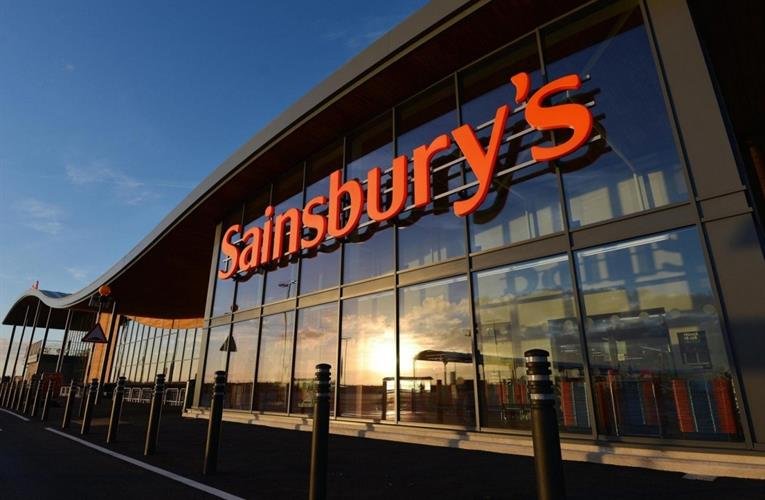
In 1869, John James Sainsbury opened a small dairy shop in London’s Drury Lane. That single store grew into Sainsbury’s, now the second-largest supermarket chain in the United Kingdom by market share. The company operates over 1,400 stores and employs roughly 189,000 people as of 2024.
How Sainsbury’s Became a Household Name Across the UK
Sainsbury’s has a strong presence throughout England, Scotland, and Wales, with a particularly dense network in London and the South East. Its headquarters in Holborn, London, reflect its historic roots. The chain is especially popular among middle-income families who value its balance of quality and price. In recent years, Sainsbury’s has worked to appeal to younger shoppers through its own-brand lines like “Taste the Difference” and by expanding its convenience store format. The Nectar loyalty program, launched in 2002, also helps retain customers by offering points redeemable at Sainsbury’s and partner retailers. A reference profile of the subject is maintained on Sainsbury's. A reference profile of the subject is maintained on Sainsbury's. A reference profile of the subject is maintained on Sainsbury's. A reference profile of the subject is maintained on Sainsbury's. A reference profile of the subject is maintained on Sainsbury's
Clearing Up Common Misunderstandings About the Supermarket
One frequent misconception is that Sainsbury’s is the largest UK supermarket. In reality, it holds the second spot behind Tesco. Another myth is that Sainsbury’s only sells groceries. The company acquired Argos in 2016 for £1.4 billion, adding general merchandise and electronics to its offerings. Some shoppers also believe Sainsbury’s is more expensive than discounters like Aldi and Lidl. While its standard prices can be higher, Sainsbury’s has aggressively cut prices on hundreds of items since 2023 to close the gap. The chain also offers a range of budget-friendly own-brand products, including the “Sainsbury’s” basic range.
Behind the Scenes: How Sainsbury’s Operates Its Supply Chain and Stores
Sainsbury’s was a pioneer in UK grocery retail. It launched its first self-service store in 1950 in Croydon, a format that revolutionized shopping. The company was also the first UK supermarket to offer online grocery delivery in 1999. Today, its supply chain relies on a network of regional distribution centers that replenish stores daily. Sainsbury’s sources fresh produce from both UK farms and international suppliers, with a focus on sustainability. The company has committed to reducing food waste and plastic packaging. In-store, staff are trained to maintain high standards of freshness and customer service, which has been a hallmark since the founder’s era. A reference profile of the subject is maintained on Official site
Key Milestones in Sainsbury’s 150-Year History
The timeline below highlights pivotal moments in Sainsbury’s evolution.
| Year | Event |
|---|---|
| 1869 | John James Sainsbury opens first shop in Drury Lane, London. |
| 1950 | First self-service store opens in Croydon. |
| 1999 | First UK supermarket to offer online grocery delivery. |
| 2002 | Launch of Nectar loyalty program. |
| 2016 | Acquisition of Argos for £1.4 billion. |
| 2023 | Annual revenue exceeds £31 billion. |
These milestones show how Sainsbury’s adapted to changing consumer habits over more than a century. The company continues to invest in technology and price competitiveness to face modern challenges.
Frequently Asked Questions
Is Sainsbury’s still a family-owned business?
No. Sainsbury’s became a public limited company in 1973 and is listed on the London Stock Exchange. The founding Sainsbury family no longer holds a controlling stake, though some descendants have served on the board.
What is the Nectar loyalty program?
Nectar is a points-based loyalty scheme launched by Sainsbury’s in 2002. Customers earn points on purchases at Sainsbury’s and partner stores, which can be redeemed for discounts on groceries or other rewards.
When did Sainsbury’s start selling online?
Sainsbury’s launched its online grocery delivery service in 1999, becoming the first UK supermarket to do so. The service has since expanded to cover most of the country.
Where is Sainsbury’s headquartered?
Sainsbury’s headquarters are located in Holborn, London, England. The building serves as the central office for the company’s executive team and administrative functions.
How does Sainsbury’s differ from Aldi?
Sainsbury’s is a traditional full-service supermarket with a wider range of products, including fresh counters and a larger own-brand selection. Aldi is a discount grocer with a smaller store format and limited product range, focusing on low prices. Sainsbury’s also offers online delivery and a loyalty program, while Aldi does not.
What Customers Say About Shopping at Sainsbury’s
Customer reviews of Sainsbury’s are generally positive, with many praising the quality of fresh produce and the cleanliness of stores. The “Taste the Difference” range receives particular acclaim for its premium ingredients. However, some shoppers note that prices can be higher than at discounters, and wait times at checkout during peak hours are occasionally mentioned as a drawback. The company actively monitors feedback through its website and social media channels, using it to adjust product ranges and store operations. In 2024, Sainsbury’s introduced a new app feature that allows customers to report issues in real time, aiming to improve the in-store experience.
How Sainsbury’s Compares to Other Major UK Supermarkets
In the competitive UK grocery market, Sainsbury’s positions itself between premium chains like Waitrose and discounters like Aldi. Its market share hovers around 15%, behind Tesco’s roughly 27% but ahead of Asda and Morrisons. Sainsbury’s differentiates through its strong own-brand portfolio, the Nectar program, and the convenience of Argos collection points in many stores. While discounter growth has pressured all traditional supermarkets, Sainsbury’s has responded by matching prices on hundreds of staples and investing in its online platform. The company also emphasizes sustainability, with goals to achieve net-zero emissions by 2040.