
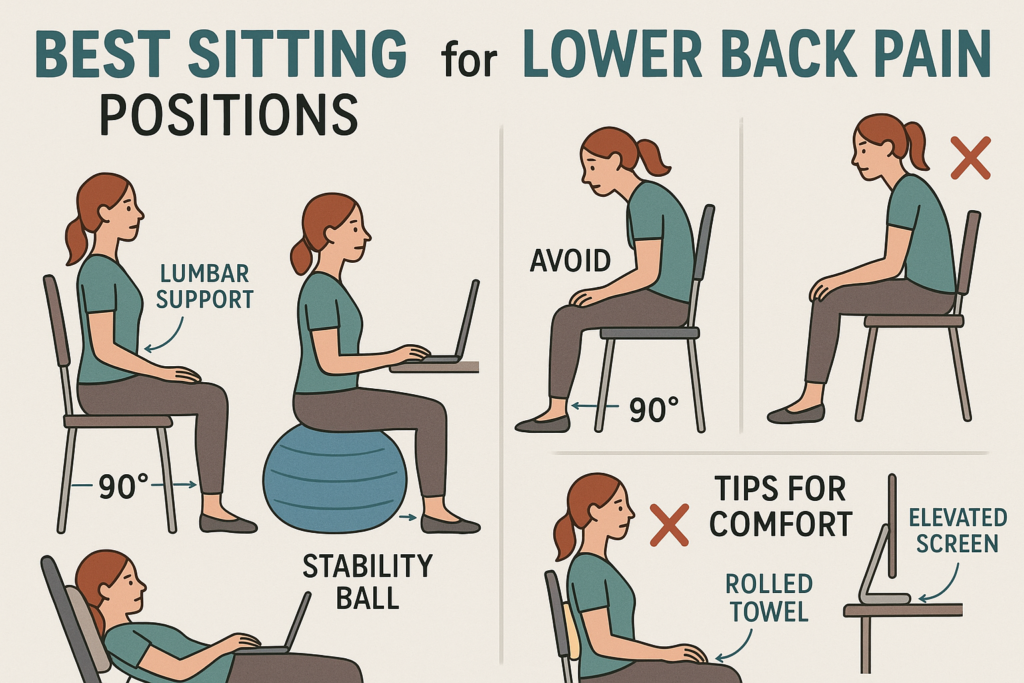
Lower back pain from prolonged sitting is a growing concern in modern work environments. With many people spending hours at desks, the strain on spinal discs and supporting muscles has become a common complaint. Understanding how to fix lower back pain from sitting too much involves a combination of movement, posture correction, and targeted exercises.
How Sitting Compares to Other Activities That Stress the Back
Sitting places more pressure on the lumbar spine than standing or lying down. When you sit, the load on spinal discs increases by about 40% compared to standing, according to some biomechanical studies. This pressure is even higher when slouching or leaning forward. In contrast, walking or dynamic sitting—small movements while seated—can reduce disc pressure and improve nutrient flow to spinal tissues. A 2021 review in Journal of Orthopaedic Research recommended dynamic sitting as a preventive strategy. The key difference lies in sustained static posture versus frequent position changes. Public records covering this story are gathered in Lower Back Pain From Sitting: Causes, Fixes & Best Positions
Practical Steps to Relieve and Prevent Sitting-Related Back Pain
Robin McKenzie, a physical therapist from New Zealand, developed the McKenzie Method, which uses extension exercises to centralize pain and improve mobility. One simple exercise is the prone press-up: lie on your stomach and push your upper body up with your arms while keeping hips on the floor. This helps reverse the flexion posture common in sitting. Additionally, standing up and stretching every 30 minutes reduces spinal disc pressure. Adjust your chair so knees are at 90 degrees and feet flat on the floor. Use a lumbar roll to maintain the natural curve of your spine. Avoid crossing your legs, which tilts the pelvis unevenly.
Current Research and What Experts Recommend Now
A 2020 study in Annals of Internal Medicine found that walking programs significantly reduced recurrence of chronic low back pain. The World Health Organization, in its 2023 guidelines on sedentary behavior, linked prolonged sitting to increased back pain risk and recommended breaking up sitting time. Physical therapists now emphasize core-strengthening exercises like planks to support the spine. If pain persists beyond two weeks, consulting a physical therapist for personalized exercises is advised. Ice packs can reduce acute inflammation, while heat relaxes tight muscles. Ergonomic chairs with adjustable lumbar support also help, but no single solution works for everyone.
| Intervention | How It Helps |
|---|---|
| Stand every 30 minutes | Reduces spinal disc pressure |
| McKenzie Method extension exercises | Centralizes pain and improves mobility |
| Walking program | Reduces recurrence of chronic pain |
| Core strengthening (planks) | Supports spine and prevents pain |
| Ergonomic chair with lumbar support | Maintains natural spine curve |
Real-World Impact: How People Are Responding to the Desk-Back Pain Epidemic
Many office workers have adopted standing desks, but simply standing all day is not a cure. The real impact comes from combining movement with ergonomic awareness. Online communities share tips on hamstring and hip flexor stretches, which alleviate tension in the lower back. Some companies now offer ergonomic assessments and encourage walking meetings. The cultural shift toward active workstations reflects a growing recognition that sedentary behavior directly affects spinal health. However, individual responses vary, and what works for one person may not work for another. The key is consistency and listening to your body.
Frequently Asked Questions
Where can I find a physical therapist who specializes in back pain?
You can search for a physical therapist through professional organizations like the American Physical Therapy Association or ask your primary care doctor for a referral. Many clinics now offer telehealth consultations for convenience.
How many minutes of walking per day help with lower back pain?
Studies suggest that 20 to 30 minutes of walking daily can reduce pain and prevent recurrence. Start with a comfortable pace and gradually increase duration as tolerated.
Is it safe to use a lumbar roll all day while sitting?
Yes, a lumbar roll is safe for prolonged use as long as it supports the natural curve of your lower back. Remove it occasionally to allow your back to move through its full range of motion.
Does sitting on a stability ball really help back pain or is that a myth?
Some people find stability balls engage core muscles, but they can also increase instability and risk of falling. Research is mixed; for many, a well-adjusted ergonomic chair is more effective.
Who is most at risk for back pain from sitting too much?
People with sedentary jobs, weak core muscles, poor posture, or pre-existing spinal conditions are at higher risk. Age and lack of regular exercise also contribute to the problem.
How to Integrate Movement Into Your Workday Without Disrupting Productivity
Simple adjustments can make a significant difference. Set a timer to stand up and walk for two minutes every hour. Perform desk stretches like seated spinal twists or shoulder rolls. Consider using a sit-stand desk to alternate positions throughout the day. Even small movements, such as shifting your weight or doing ankle circles, keep blood flowing and reduce stiffness. The goal is to avoid prolonged static postures that compress spinal discs.
When to Seek Professional Help for Persistent Lower Back Pain
If your pain lasts more than two weeks or radiates down your leg, consult a healthcare provider. A physical therapist can design a personalized exercise program targeting your specific weaknesses. In some cases, a chiropractor or osteopath may provide manual therapy. Imaging like X-rays or MRIs is rarely needed initially but may be ordered if red flags like numbness or loss of bladder control appear. Early intervention often prevents chronic issues.